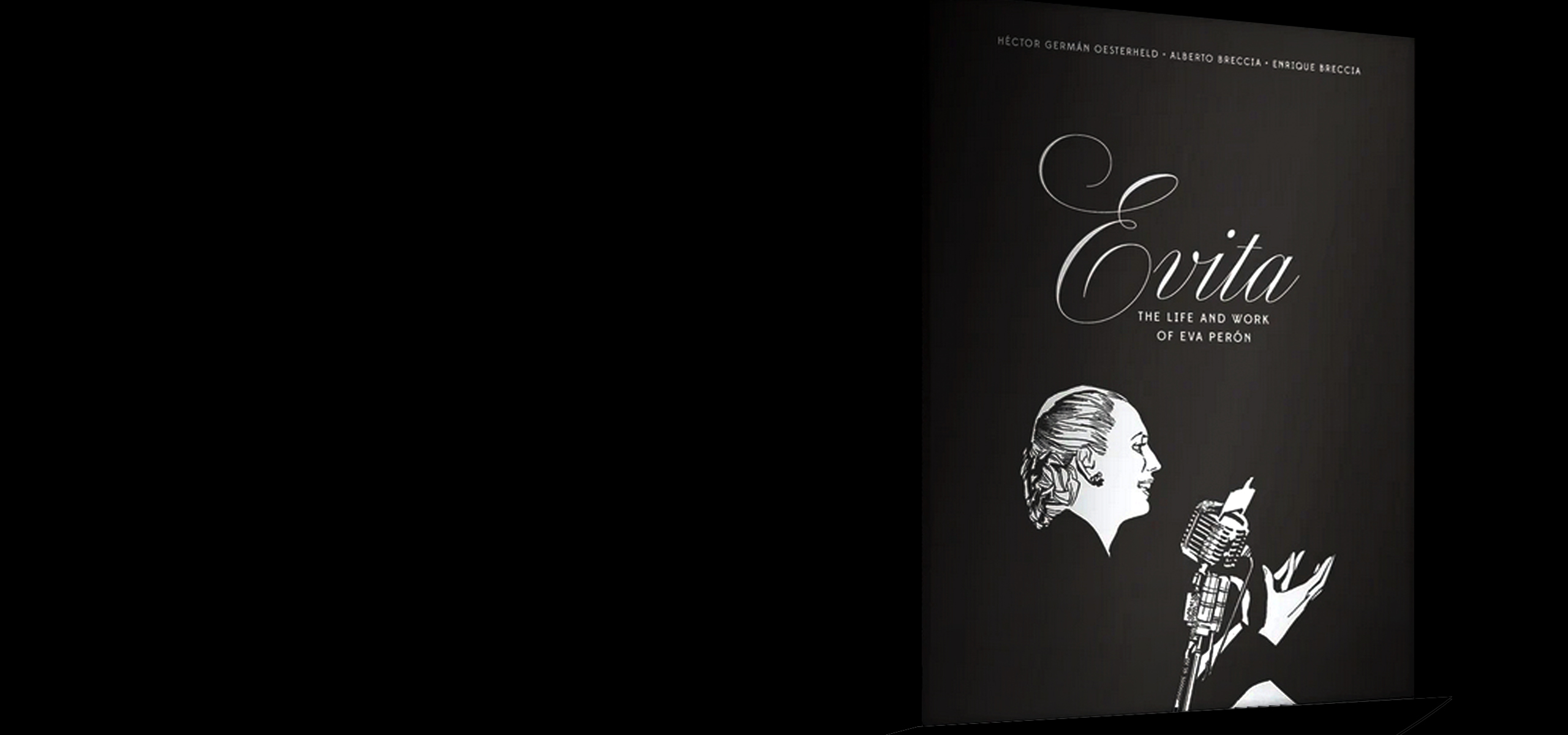
H. G. Oesterheld
[1919 / 1978]
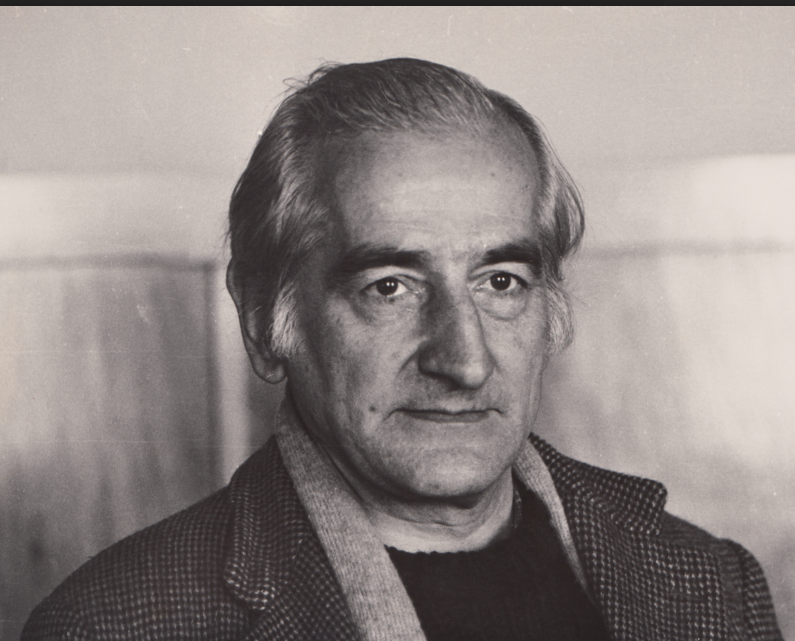
Héctor Germán Oesterheld was born in Buenos Aires on July 23, 1919. Unanimously considered as the the most iconic author of Argentine comics and a global reference of the genre.created over the course of his career more than 60 works, including many that have transcended time and frontiers such as The Eternaut, Mort Cinder, Sherlock Time, Ernie Pike and Ticonderoga, among others. Trained as a geologist at the University of Buenos Aires, he began writing children's stories, popular science texts and science fiction stories in magazines of the Abril publishing house. There, in the early 50's, he wrote his first comic scripts, partnering with cartoonists such as the Italian Hugo Pratt, who had arrived in Argentina in 1949, attracted by what would be known as the "golden age" of comic strips in this country. After the success of several of his pioneering strips -such as Bull Rocket and Sargento Kirk- he founded, together with his brother Jorge, Frontier Publishing House editorial FronteraWith total creative freedom and a great public response, Frontier magazines such as Hora Cero and Hora Cero Semanal cemented a new way of making and reading comics, with stories that fused the adrenaline of adventure with much more complex visions, erudite and humanists. eruditas y humanistasIn 1957, in Hora Cero Semanal, appeared the first strip of The Eternaut, a work that would become not only a comic classic but also a milestone in Argentine culture. .For five years -the publishing house would close in 1961- Frontera gave visibility to many other emblematic comics and characters such as Ernie Pike, Ticonderoga, Sherlock Time, Joe Zonda and Rolo, the adopted Martian. The publishing house was based in the home of the Oesterheld family, in the Buenos Aires neighborhood of Beccar, which was the inspiration for Juan Salvo's house where the story of The Eternaut begins. Many of the greatest talents of the golden age of Argentine comics, cartoonists of the stature of Hugo Pratt, Francisco Solano López, Arturo del Castillo, Alberto Breccia, José Muñoz, Carlos Roume, Eugenio Zoppi and Julio Schiaffino, among many others, passed through there on a daily basis. At the beginning of the 1960s, the decline of the comic industry caused the closing of Frontera. Oesterheld continued to publish in different publishing houses and to create new golden age of the argentine comic stripcartoonists such as Hugo Pratt, Francisco Solano López, Arturo del Castillo, Alberto Breccia, José Muñoz, Carlos Roume, Eugenio Zoppi and Julio Schiaffino, among many others. At the beginning of the 1960s, the decline of the comic industry caused the closing of Frontera. Oesterheld continued to publish in different publishing houses and to create new adventure and science fiction storiesBefore establishing himself as a comic book author, Oesterheld had published science-fiction stories in Más allá, a publication of Abril publishing house, and in 1965 he created the magazine Géminis, in which he combined fantastic stories by national and international authors with popular articles about the space projects that were to crystallize with the arrival of man on the Moon. Towards the end of the decade, in tune with the political radicalization in Argentina and much of the world, his works became increasingly committed and openly critical of the military regimes. With the establishment of the so-called "National Reorganization Process" (1976-1983), Oesterheld went underground, from where he continued writing scripts, among them the sequel to The Eternaut. On April 27, 1977, he was kidnapped by the "task forces" of the military dictatorship and has been missing ever since, along with his four daughters Diana, Beatriz, Estela and Marina. In Argentina, Comic Strip Day is celebrated on September 4, in commemoration of the first edition of Hora Cero Magazine, in 1957.
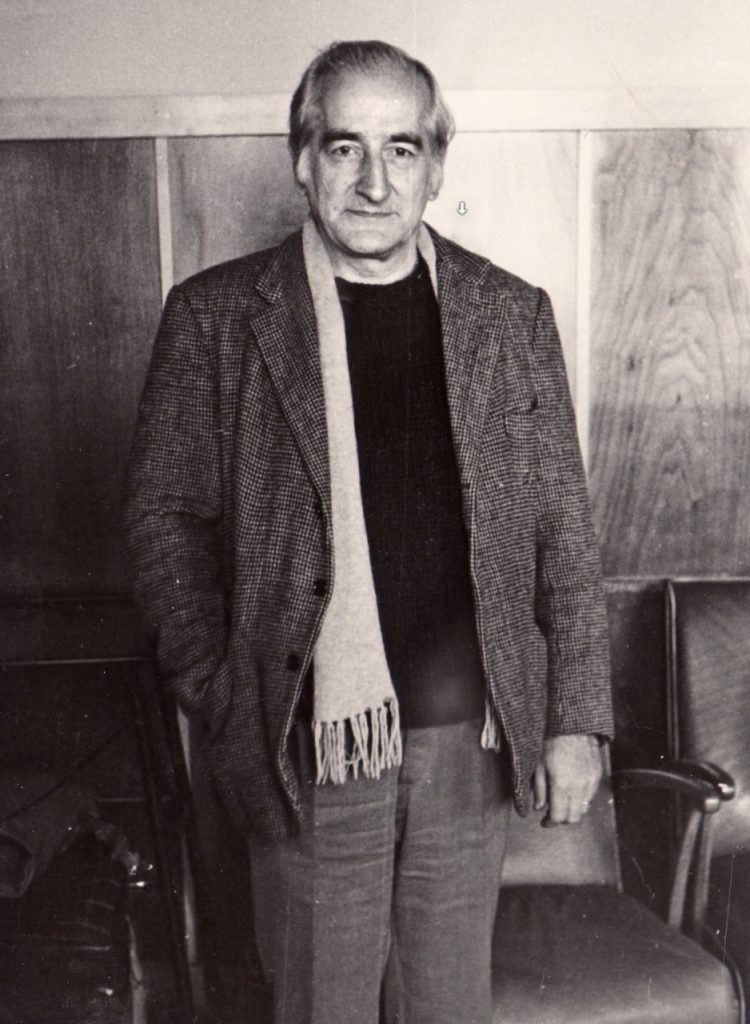
Oesterheld was a man who lived up to what he believed in, to his dreams, who had the capacity to to translate the science fiction genre into recognizable settings because he understood that the adventure was not something that was already written, but something that had to be generated over time.