


The Eternaut
[1957 / 1959]
H.G. Oesterheld
[SCRIPT]
F. Solano López
[DRAWINGS]
It is the most celebrated work of Argentine comics and an icon of the genre worldwide. A masterful story about resistance to totalitarianism and the idea of the collective hero, which merged in a revolutionary way the languages of science fiction and realism.
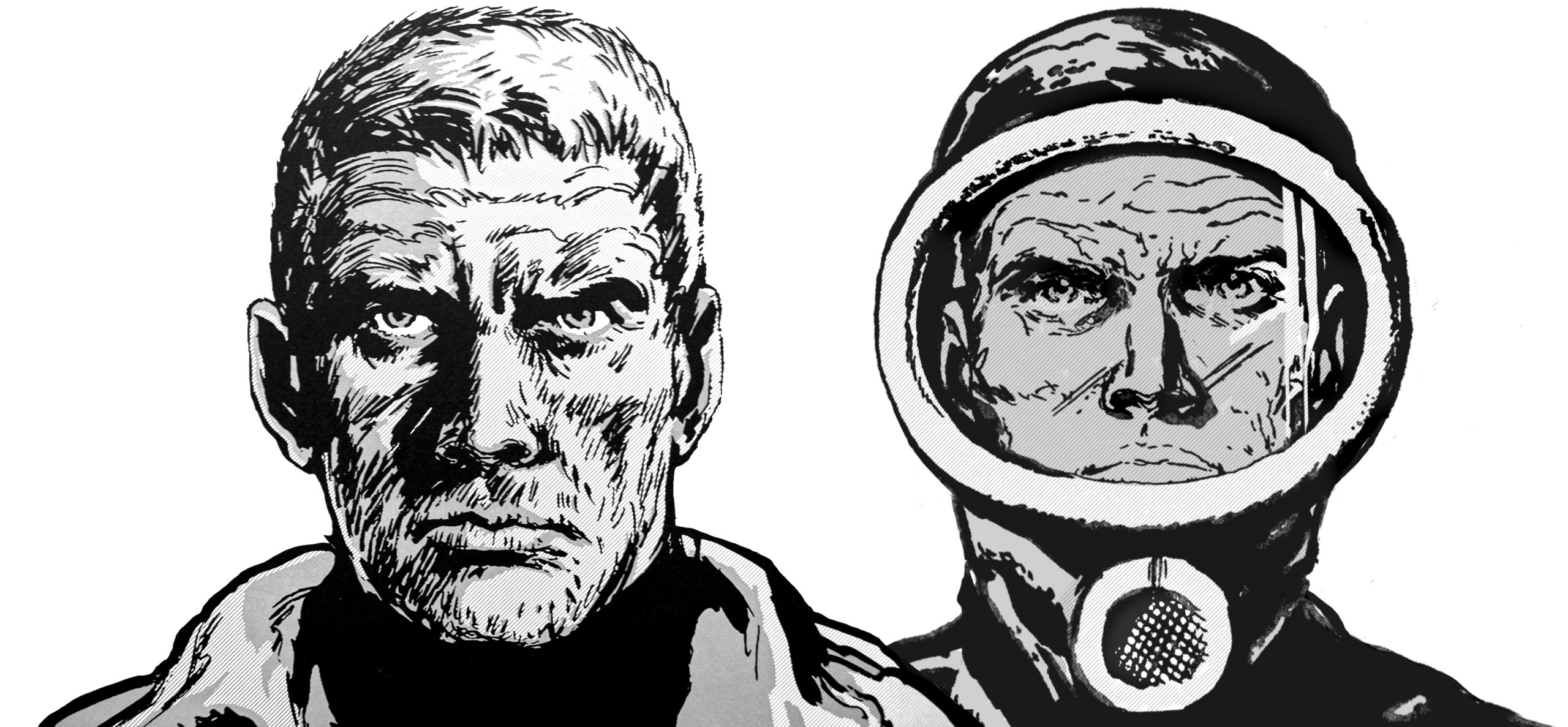
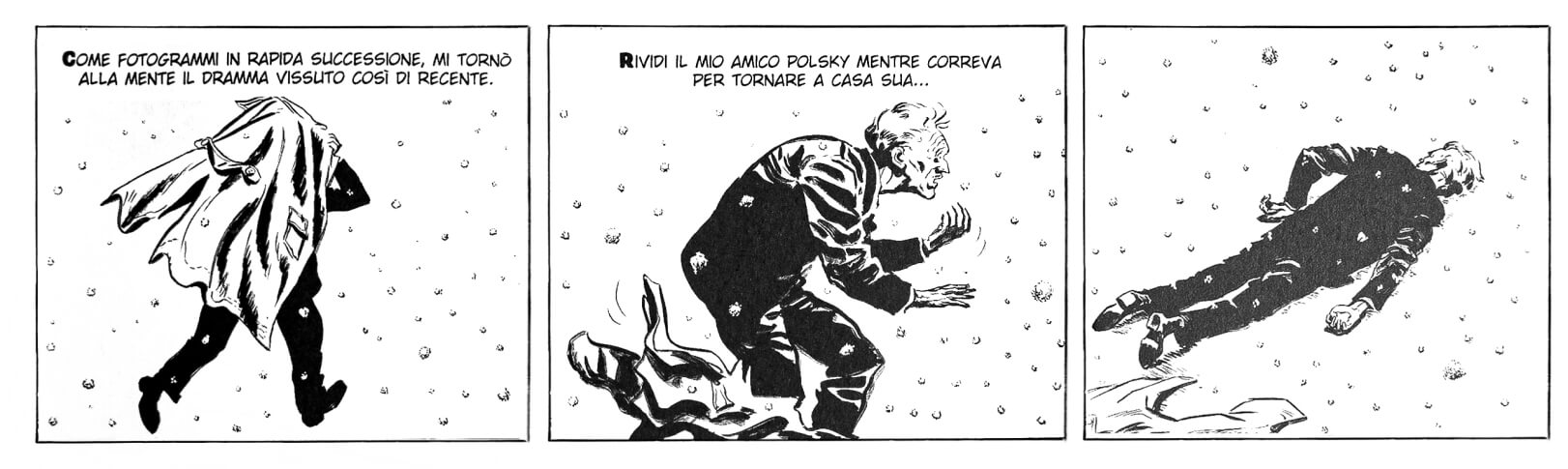
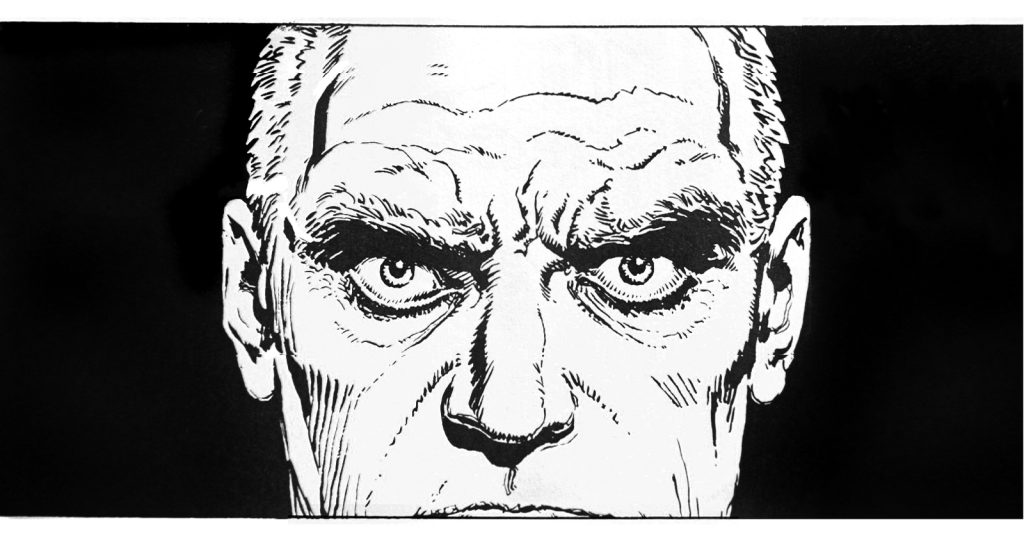
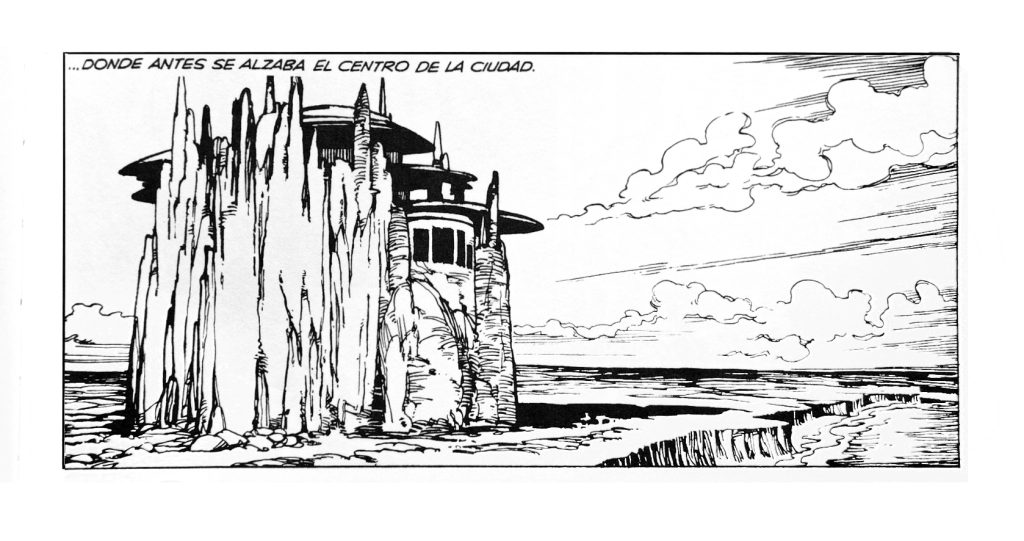
Buenos Aires, 1963. En su casa de los suburbios, Juan Salvo, su familia y sus amigos Favalli, Lucas y Polsky sobreviven a la caída de una nevada mortal que preanuncia la conquista de la Tierra por parte de una civilización alienígena. Lanzados a una travesía desde las afueras hacia el centro de la ciudad, en torno de Juan Salvo se va constituyendo la resistencia al invasor. Esto es lo que en 1959 el propio Juan Salvo devenido en el Eternauta le narra a Germán, un guionista de historietas, en el altillo de su casa en el barrio de Vicente López. El choque entre las improvisadas milicias humanas y las criaturas extraterrestres da como resultado algunas de las escenas más famosas de la historieta de aventuras, como las batallas del estadio de River Plate y la Plaza de los Dos Congresos. El encuentro entre estos mundos produce también momentos complejamente metafísicos que convirtieron al El Eternauta en una obra de culto, cuya fascinación e influencia no ha dejado de crecer a lo largo de las décadas.
Publicado por entregas en la revista Hora Cero, entre 1957 y 1959, El Eternauta es el gran exponente de la edad dorada de la historieta argentina. En 1969, Oesterheld realizó una reversión de El Eternauta junto con Alberto Breccia, en un estilo mucho más expresionista y estilísticamente audaz. La obra estuvo prohibida durante la última dictadura militar argentina (1976-1983), cuando Héctor G. Oesterheld fue “desaparecido” junto a sus cuatro hijas. Fue reunida en un solo volumen por primera vez en 1975 y, desde entonces, traducida a numerosos idiomas. La exitosa edición que realizó en 2015 Fantagraphics Books en Estados Unidos, obtuvo un premio Eisner. Netflix anunció su adaptación al formato serie a cargo del director argentino Bruno Stagnaro, cuyo estreno global está previsto para 2025.
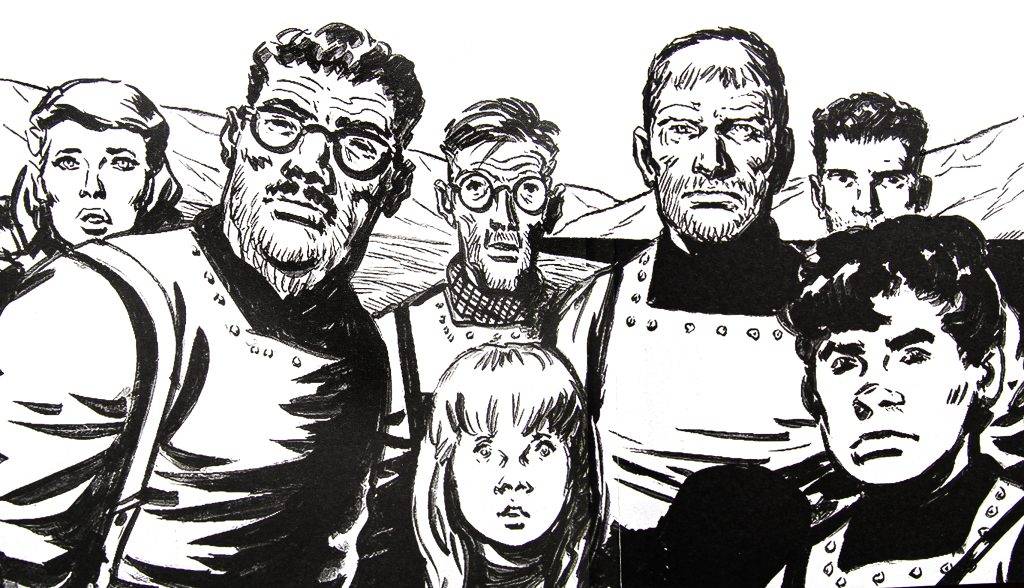
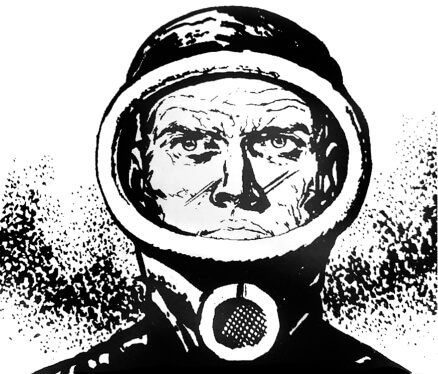
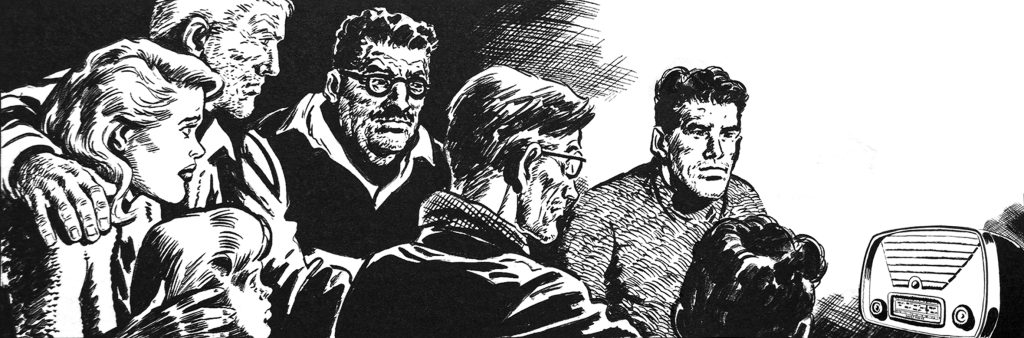
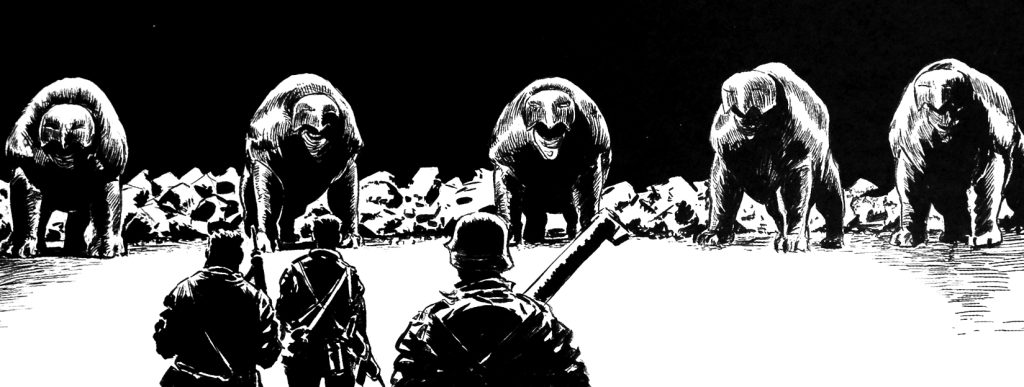
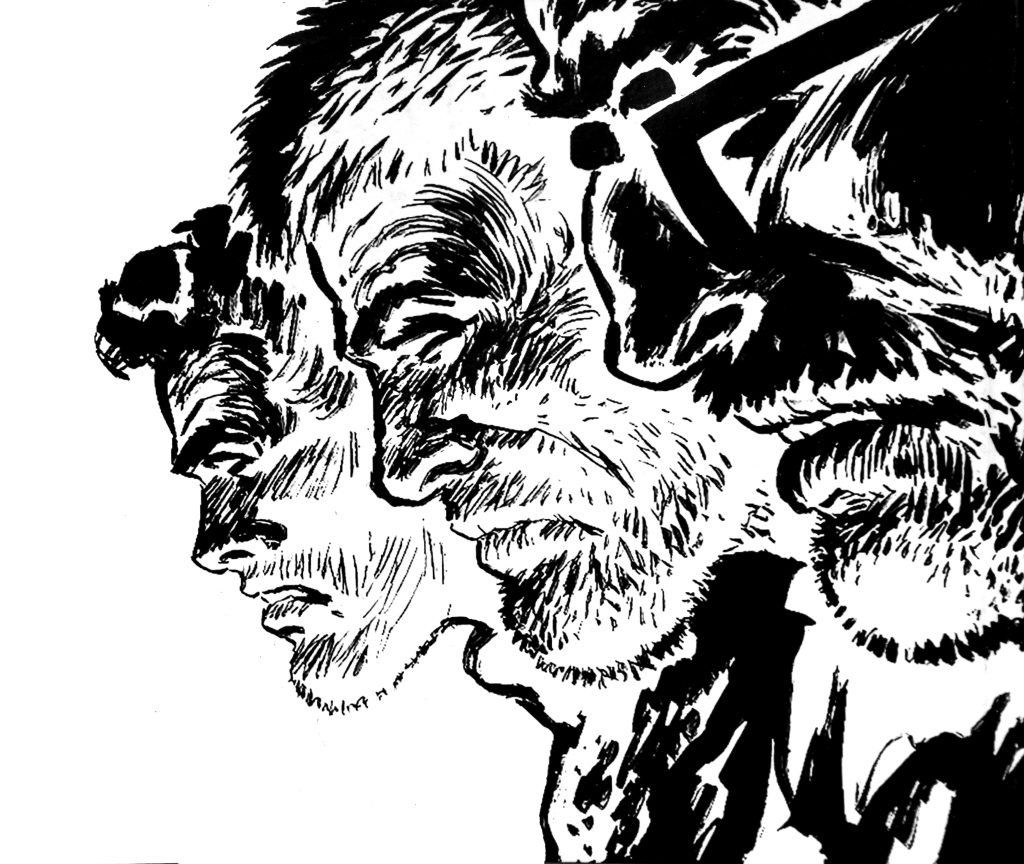
“The Eternaut is the best story produced in Argentina in the second half of the 20th century. Usually, adventure was associated with the unusual,the exotic. But Oesterheld transformed that concept. For him, no one was born a hero, it was the circumstances that created him. When someone assumes a limit situation, he becomes a hero."
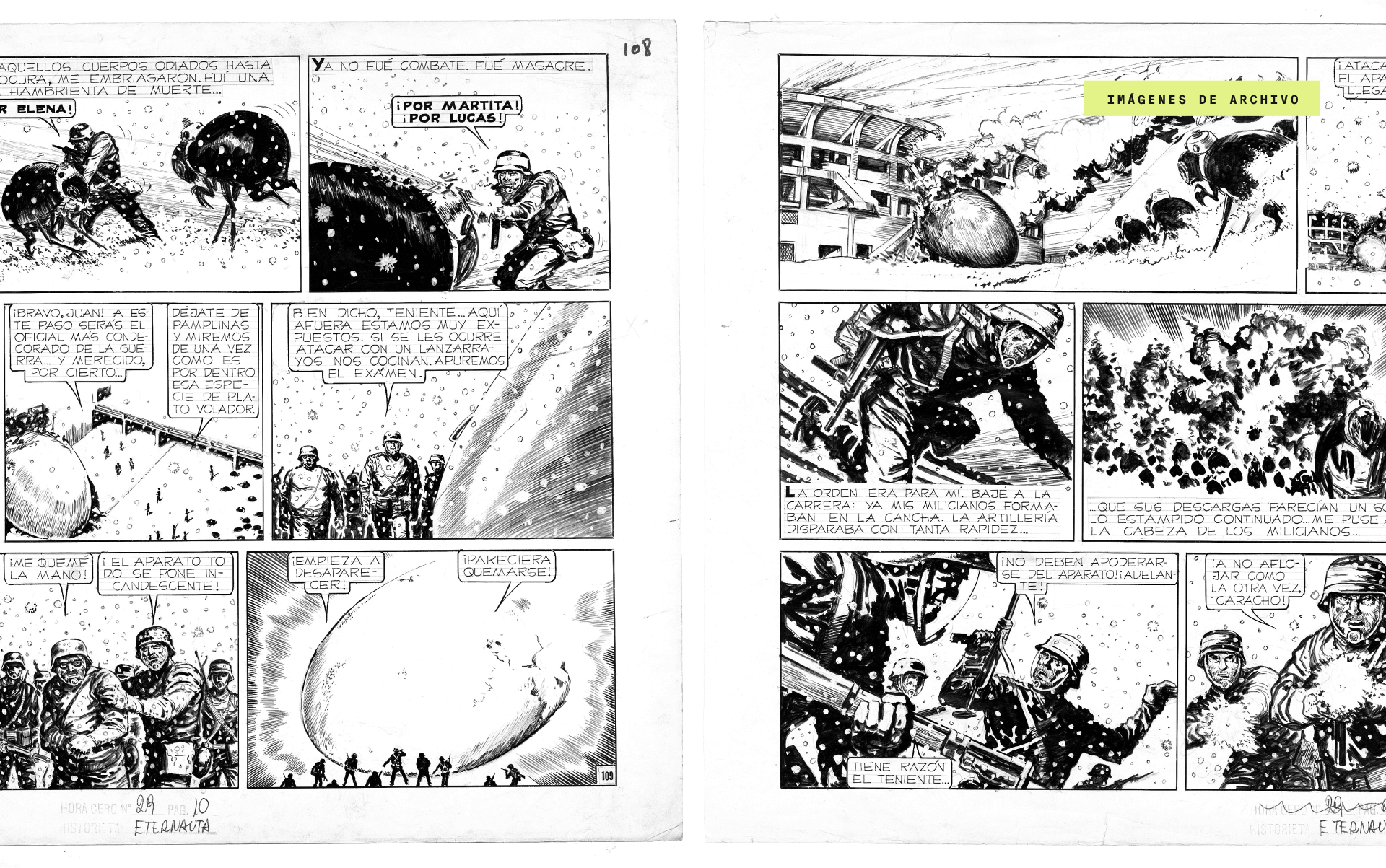
There is more to this brilliant comic than meets the eye. Es a la vez ciencia ficción y alegoría política. Este es uno de los cómics más emocionantes que jamás leerás”.
Translations:
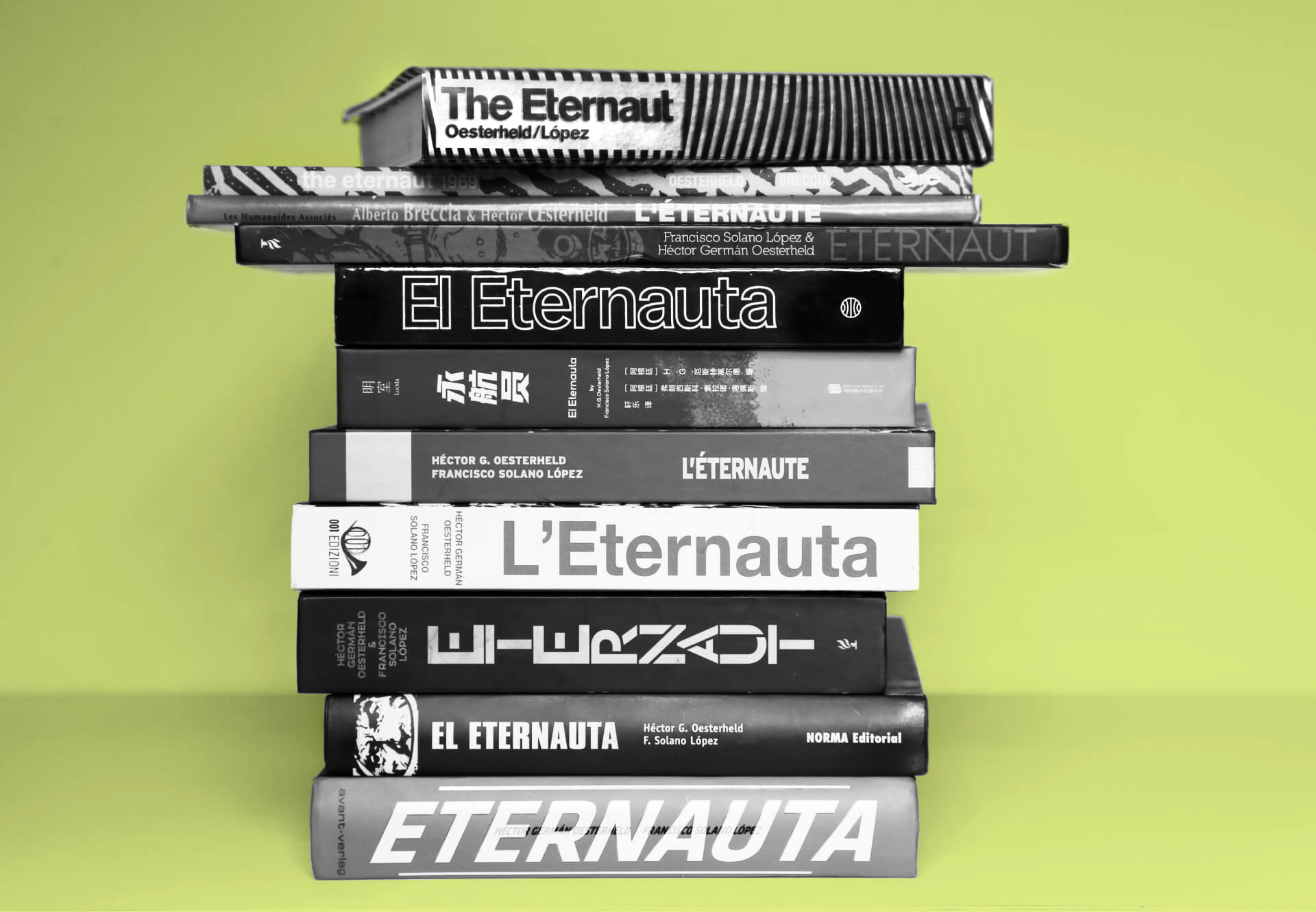
Argentina, United States, Greece, China, Finland, Brazil, Germany, France, Spain, Italy, Hungary, Hungary, United States
Adaptations:
Audiovisual series copyright: Netflix
Awards:
Fantagraphics' 2015 U.S. edition won an Eisner Award.
The Eternaut II
[1976]
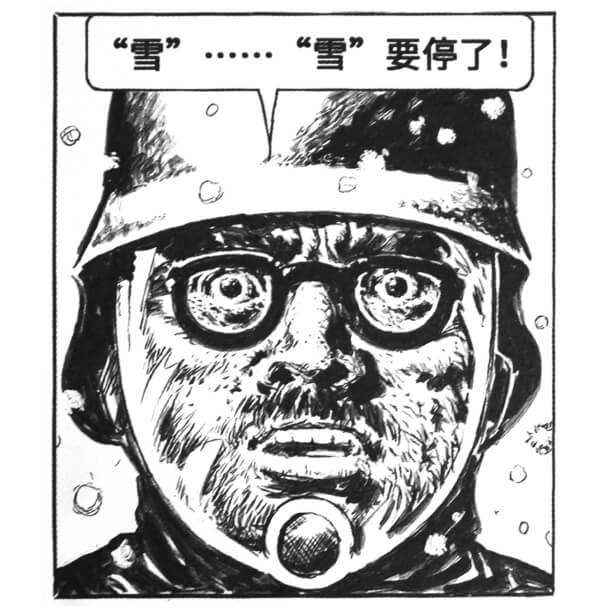
Esta segunda parte tiene lugar 200 años más tarde que el relato original, en una Buenos Aires post-apocalíptica y con un Juan Salvo convertido en un “extranjero del tiempo”, con poderes extrasensoriales, mucho más frío y mesiánico. Allí, Salvo vuelve a liderar la resistencia de los sobrevivientes contra las legiones extraterrestres comandadas por un Ello.
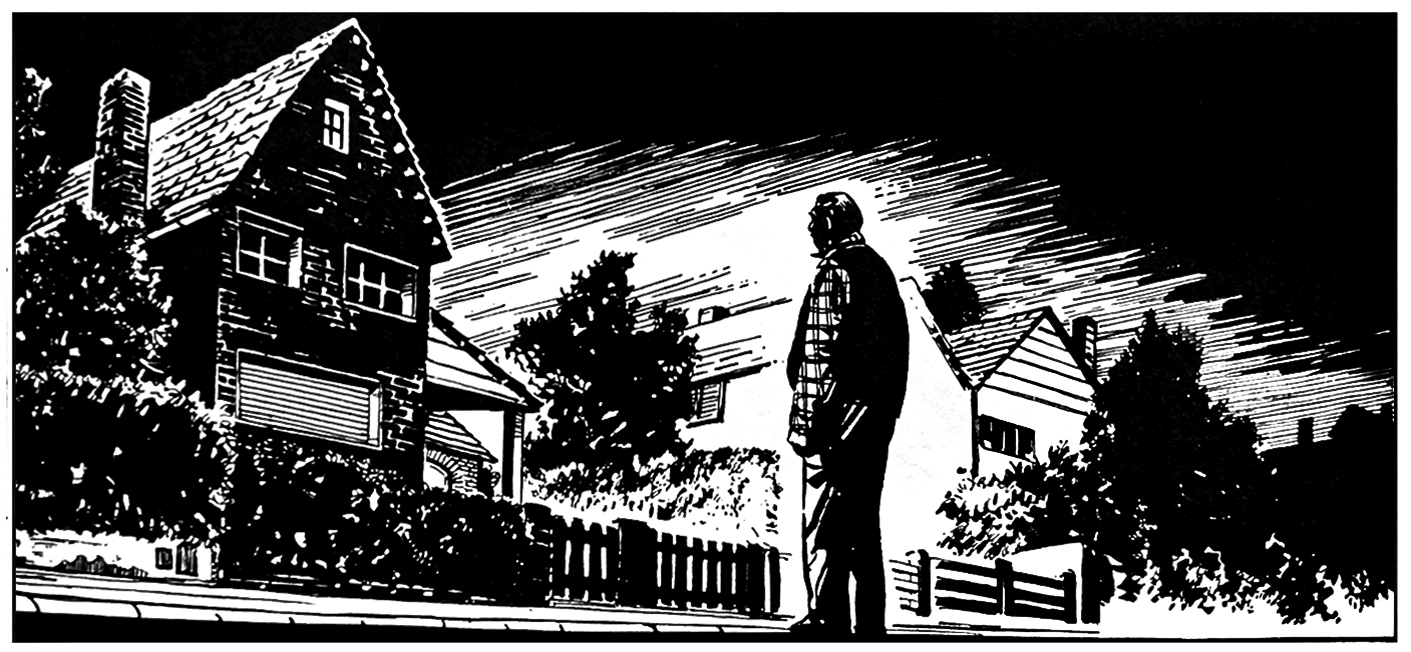
En 1975, tras el éxito de su edición en un volumen único de El Eternauta, la editorial Récord convenció a Oesterheld de realizar una segunda parte, que fue publicada por entregas a partir de 1976. Esta nueva historia da cuenta, en muchos sentidos, de la radicalización de la situación social de la Argentina por esos años y del creciente compromiso político de Oesterheld, quién fue secuestrado y desaparecido por la dictadura militar argentina poco después de su publicación.
Con muchas referencias metafóricas a la tensión entre represión y rebelión que se estaba viviendo, el relato resulta mucho más complejo que el original en términos formales. No solamente presenta numerosos saltos de espacio-tiempo, sino también una especie de “historieta dentro de la historieta”, en la que el propio Héctor G. Oesterheld se convierte en protagonista de la trama.
Parte los guiones fueron escritos por HGO desde la clandestinidad y la saga terminó de publicarse cuando ya había sido secuestrado por los grupos de tareas de régimen. A lo largo de las décadas, fue reunido en formato libro y reeditado en múltiples ocasiones.
The Eternaut
[1969]
H.G. Oesterheld
[SCRIPT]
Alberto Breccia
[DRAWINGS]
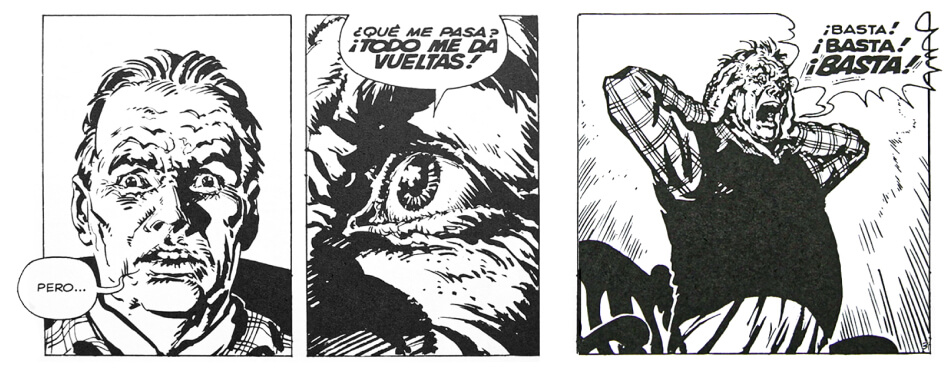
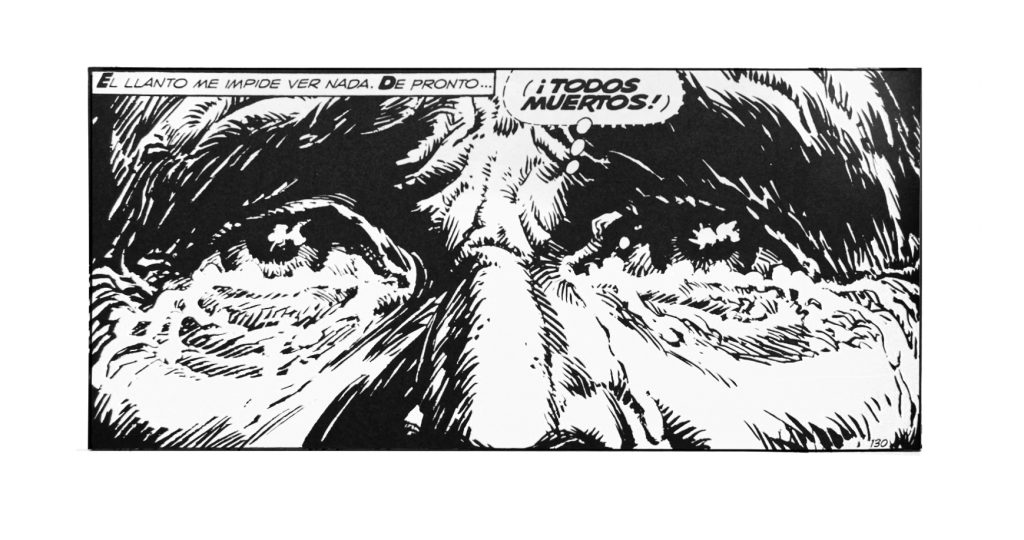
Two decades after the impact of The Eternaut, Héctor Germán Oesterheld summoned Alberto Breccia to reimagine the great icon of Argentine comics. Starting from the original story, Oesterheld retold his own work, endowing it with a bold political allegory amidst the oppressive climate of the time,with a graphic context that is as innovative as it is striking.
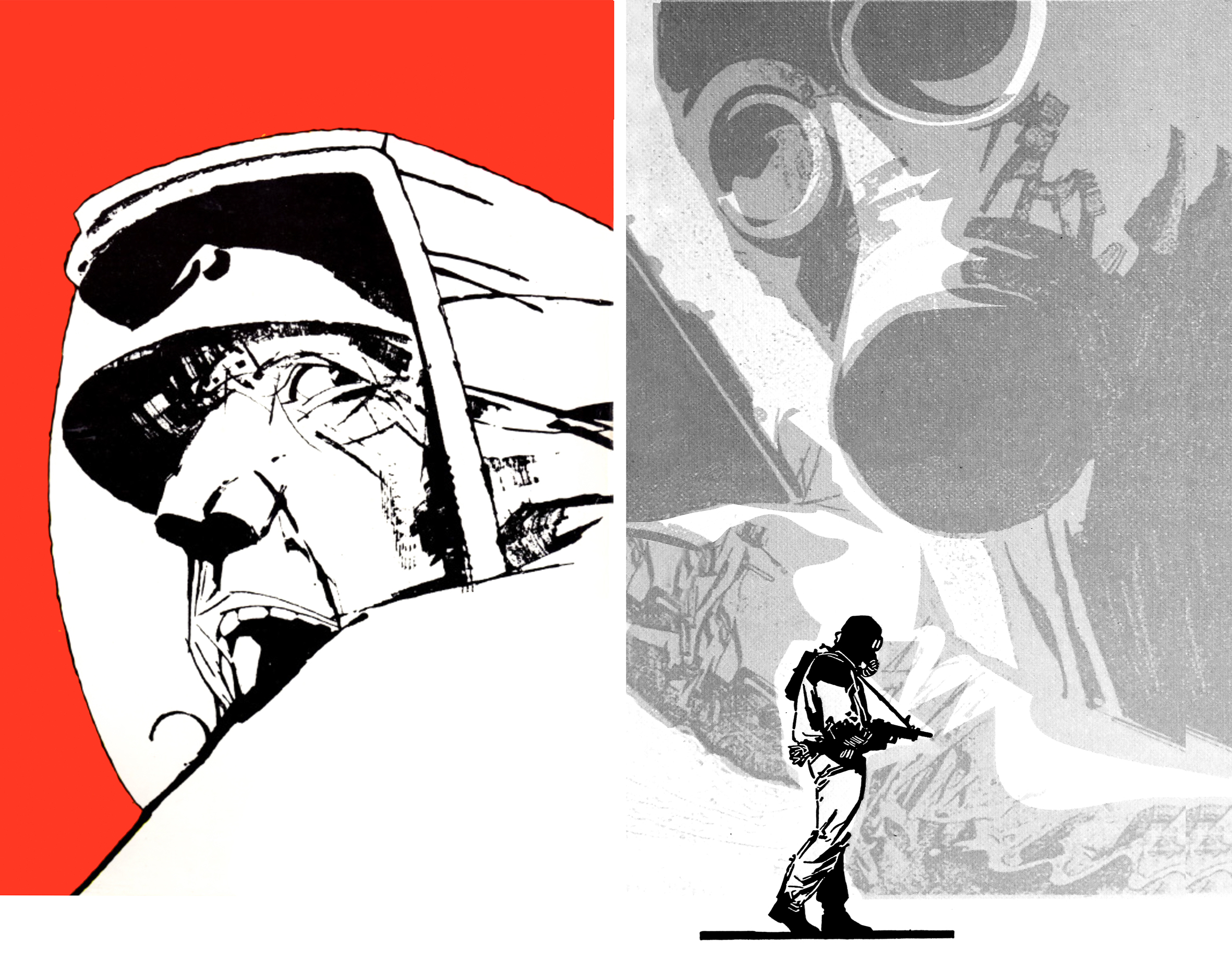
In this new version, the plot is essentially the same as that of the original story, but Oesterheld introduces significant changes that underscore the political references, reflecting both his growing commitment and the radicalization of Argentine society in the late 1960s. One of the most outstanding changes is the early revelation of an alien invasion and the role of the world's major powers in an agreement that sacrifices South America for its own survival.
The Solano López's precise and realistic style gave way in this version to Alberto Breccia's expressionism and chiaroscurowho added a chilling dimension to the narrative, emphasizing its apocalyptic and political nature.
The reversion of The Eternaut by Oesterheld and Breccia was published in installments in 1969, in the magazine Gente. It was a generalist publication, probably the most popular in Argentina in those years. Its readers did not welcome the political and aesthetic intensity of the work, so its publication was suspended by the editors much earlier than expected. With the passage of time it was rediscovered and published in book format in Argentina and in many countries around the world. In 2015, it was published by Fantagraphics in the United States.
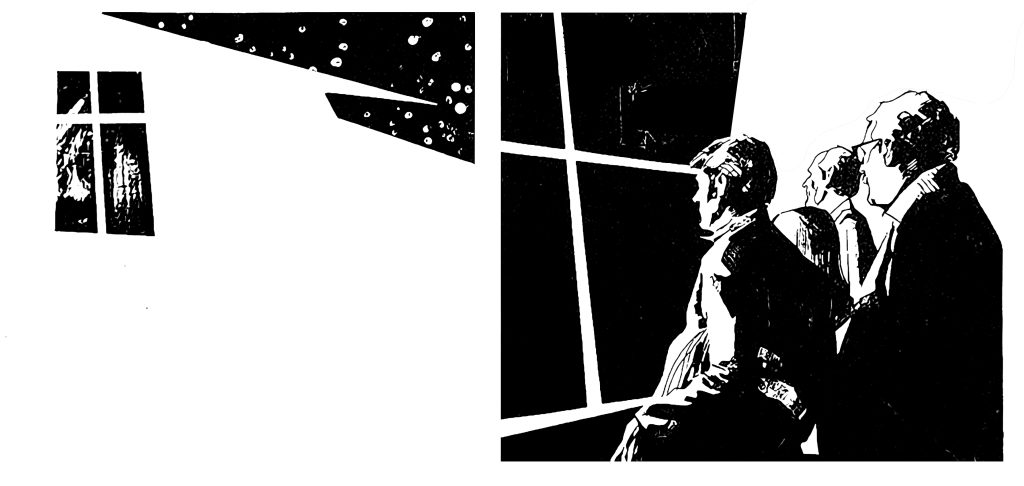
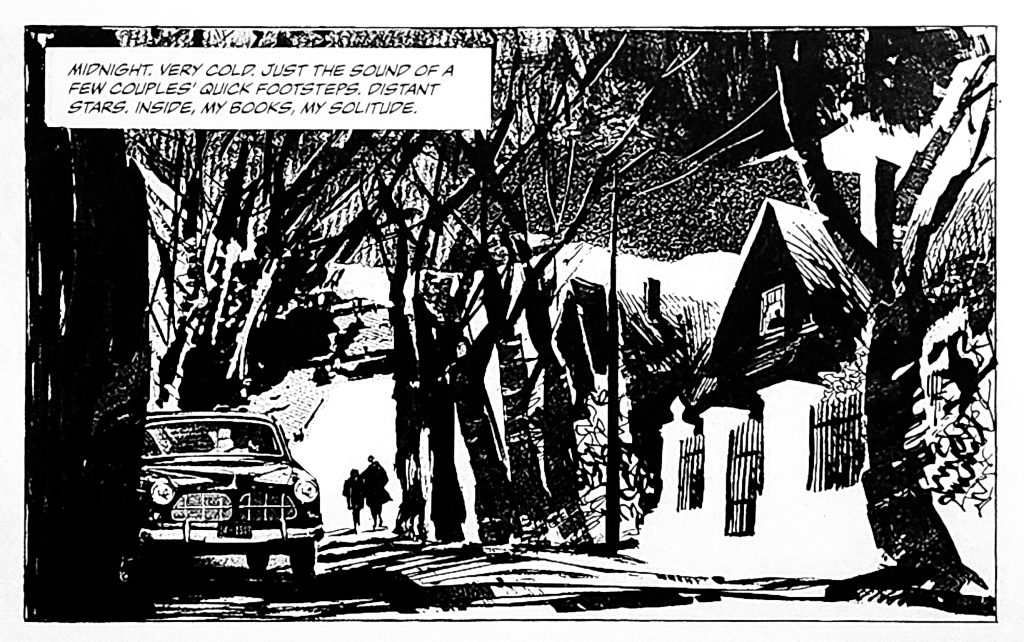
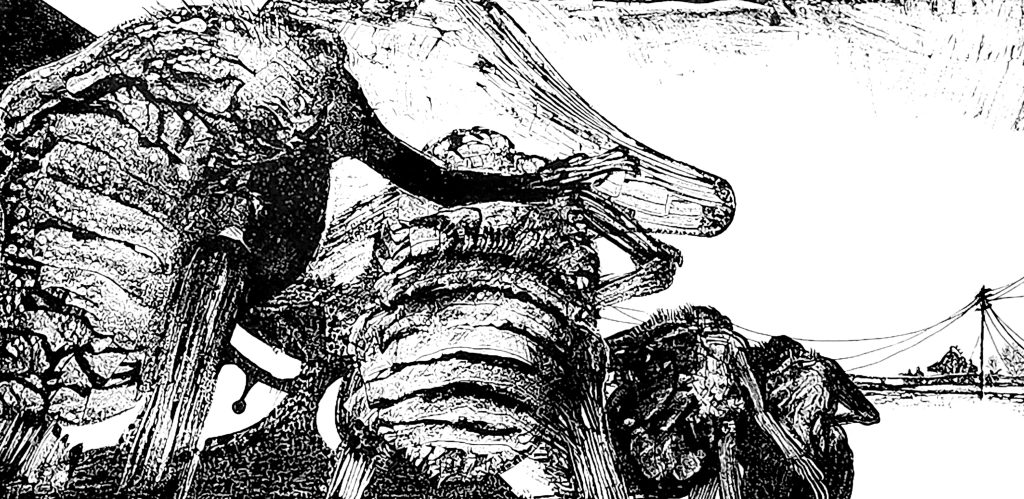
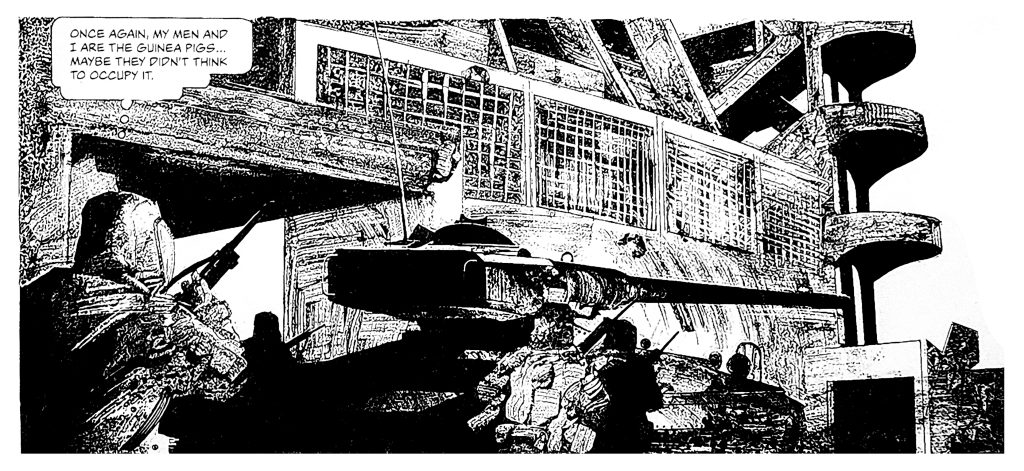
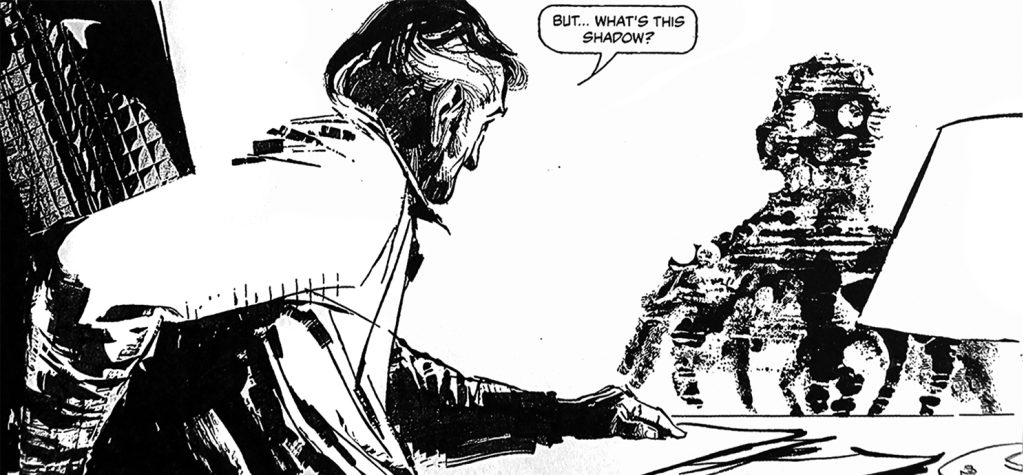
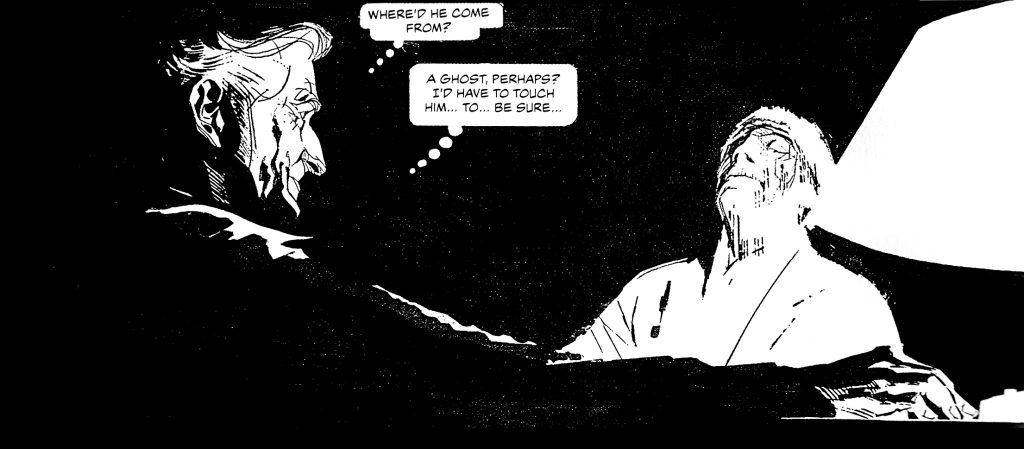
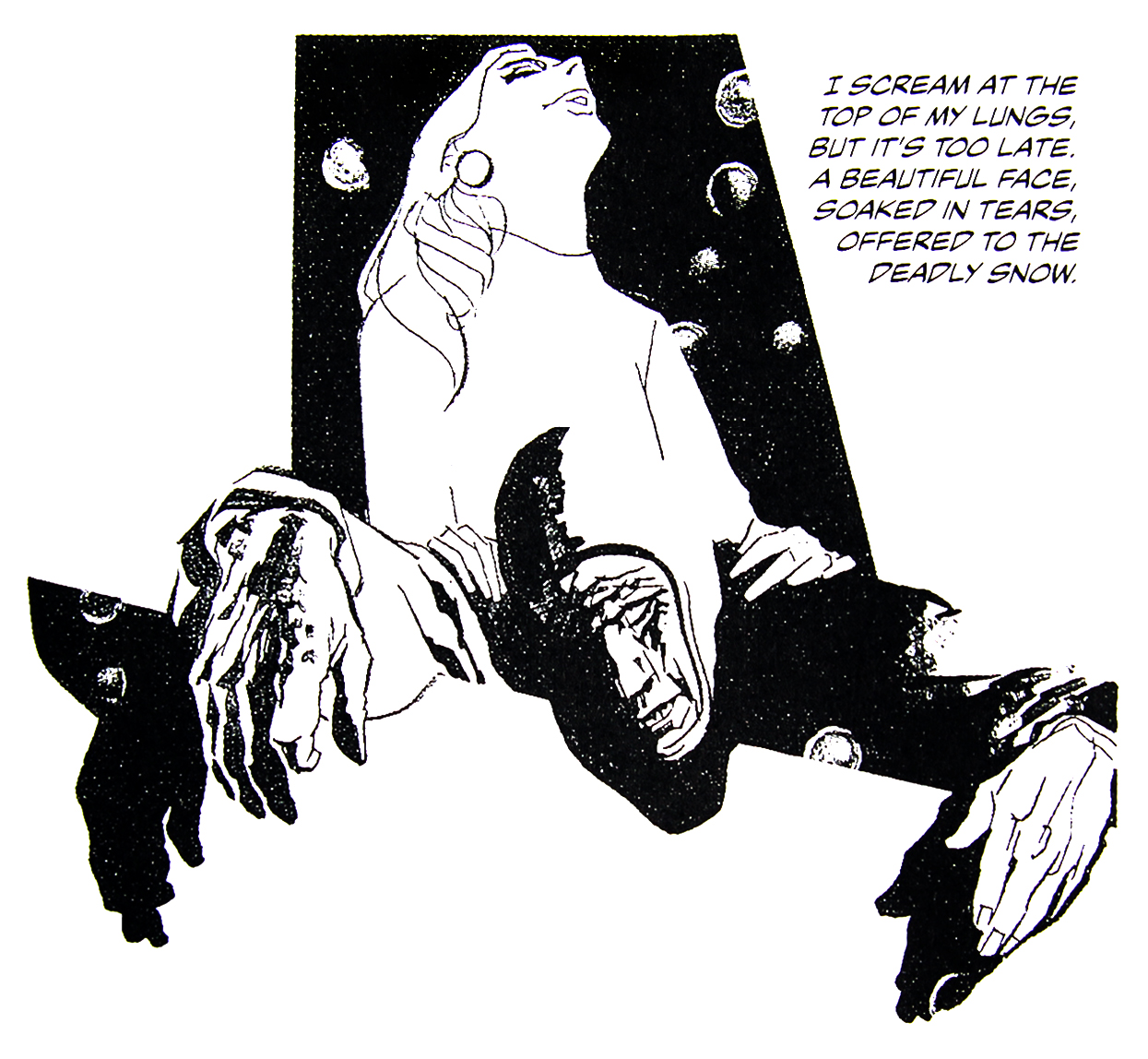
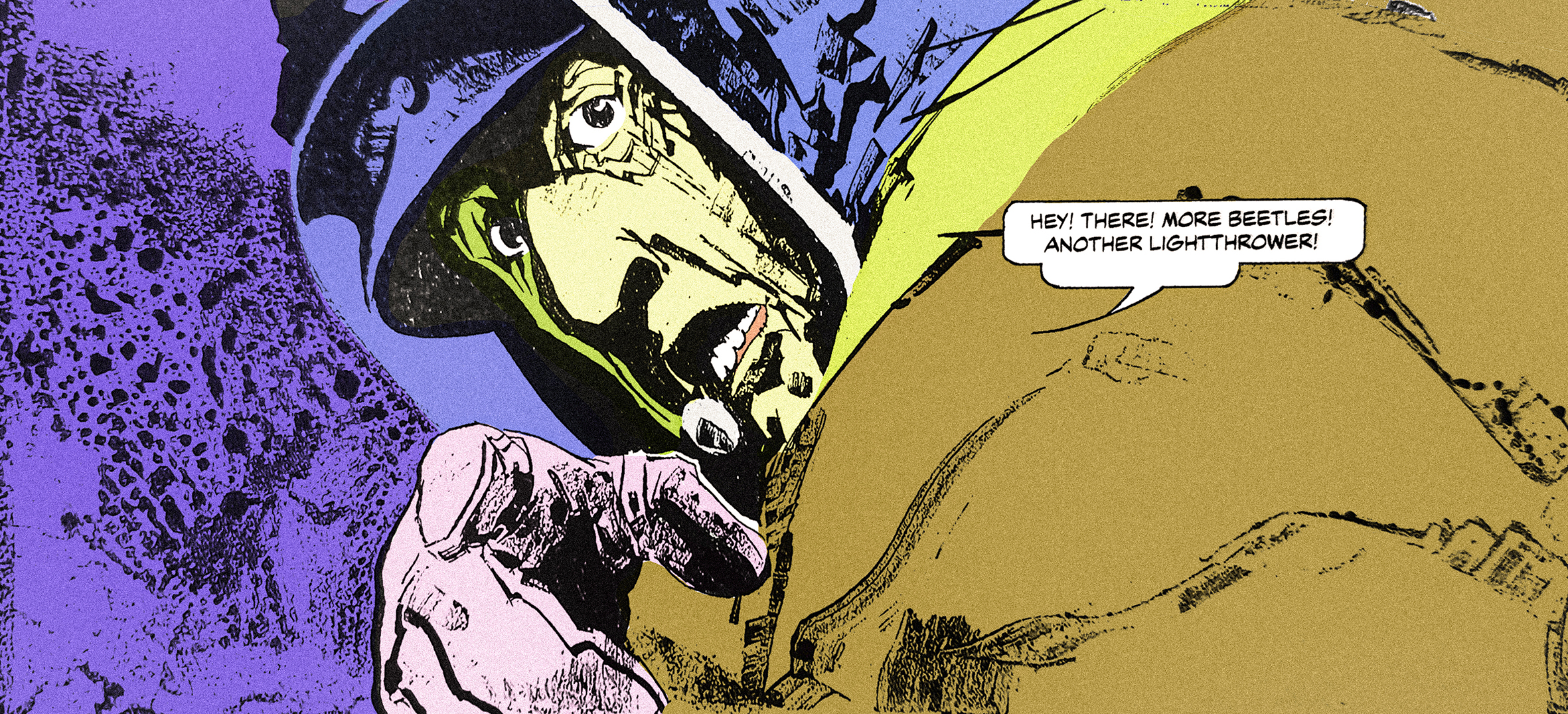
La historia de Oesterheld es una alegoría sobre la resistencia de todo tipo de luchas.
Translations:
España, Estados Unidos, Francia.
Bio
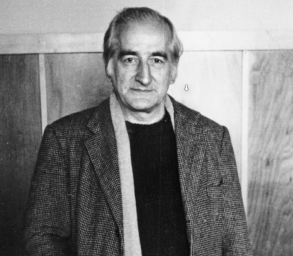
[H.G. Oesterheld]
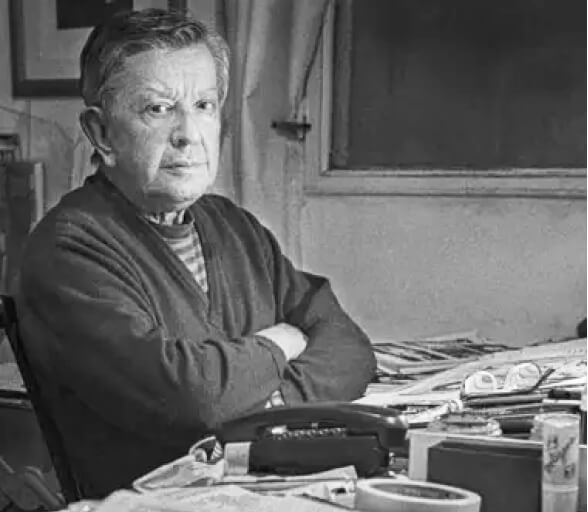
[F. Solano López]
-
Héctor Germán Oesterheld
[Script]
Héctor Germán Oesterheld was born in Buenos Aires on July 23, 1919. Unanimously considered the most iconic author of Argentine comics and a global reference of the genre, he created more than 60 works throughout his career. Before establishing himself as a comic book author, he was editor of science fiction literature in the magazine Más Allá, and later, in Géminis. He published in the magazines Misterix, Hora Cero and Frontera, among many others. His best known characters are Sergeant Kirk, Ernie Pike, Sherlock Time and Mort Cinder, but it is undoubtedly The Eternauta the creation that gives him a place among the masters of comics. Towards the end of the 70's, in parallel with his social and political commitment, his works became more and more committed and openly critical of the military regimes of the time. After the 1976 coup d'état, Oesterheld went underground, where he continued writing scripts, among them the sequel to El Eternauta. On April 27, 1977, he was kidnapped by the "task forces" and has been missing ever since. In Argentina, the Day of the Comic Strip is celebrated on September 4, in commemoration of the first edition of Hora Cero magazine, in 1957.
-
F. Solano López
[Drawings]
He was born in Buenos Aires, in 1928, and is unanimously considered one of the great cartoonists of Argentine comics. He began his career in 1953, in the publishing house Columba, and two years later his path would cross with that of Héctor G. Oesterheld, with whom he began working in the strip Bull Rocket, of the magazine Misterix. Together they would develop characters and stories such as Joe Zonda, Rul de la Luna, Rolo marciano adoptivo and Marcianeros, among others. In 1957 they began to publish The Eternaut, in the weekly supplement Hora Cero, the work for which both would be universally recognized. In the 1960s he lived in Europe, working for Fleetway publishing house, and in 1976 he met again with Oesterheld to write El Eternauta II. He is the author of other classics of Argentine comics such as Evaristo, with Carlos Sampayo, Slot Bar and Ministerio, both with Ricardo Barreiro. He died in Buenos Aires in 2011.
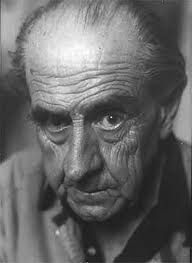
Alberto Breccia
[Drawings]
Nacido en Montevideo, en 1919, y criado en la Argentina desde los tres años, Breccia es conocido como “El tripero”, ya que su primer trabajo fue en un frigorífico, desollando vacas. Dotado naturalmente para el dibujo, comenzó su carrera en la década del 40, con un trazo clasicista influido por Milton Caniff. En la década siguiente, tanto Hugo Pratt como Oesterheld lo impulsaron para que liberara su identidad artística, influenciada por el expresionismo y los maestros del cine alemán y soviético. De su colaboración con Oesterheld nacieron obras maestras del género, como Mort Cinder, Sherlock Time y la reversión de El Eternauta, además de las biografías del Che Guevara y Eva Perón.Gran maestro del claroscuro, adaptó relatos de sus admirados H.P Lovecraft y Edgar Allan Poe, y trabajó con guionistas como Guillermo Saccomano, Carlos Trillo y Juan Sasturain, con quienes realizó celebradas historietas como El aire, Un tal Daneri y Perramus, respectivamente. Falleció en Buenos Aires, en 1993.