


Sherlock Time
[1958]
H.G. Oesterheld
[SCRIPT]
Alberto Breccia
[DRAWINGS]
The Sherlock Time stories constitute the first collaboration between these two legends of Argentine comics. Mystery, science fiction and the irruption of graphic expressionism. that was to universally consecrate Breccia's style.
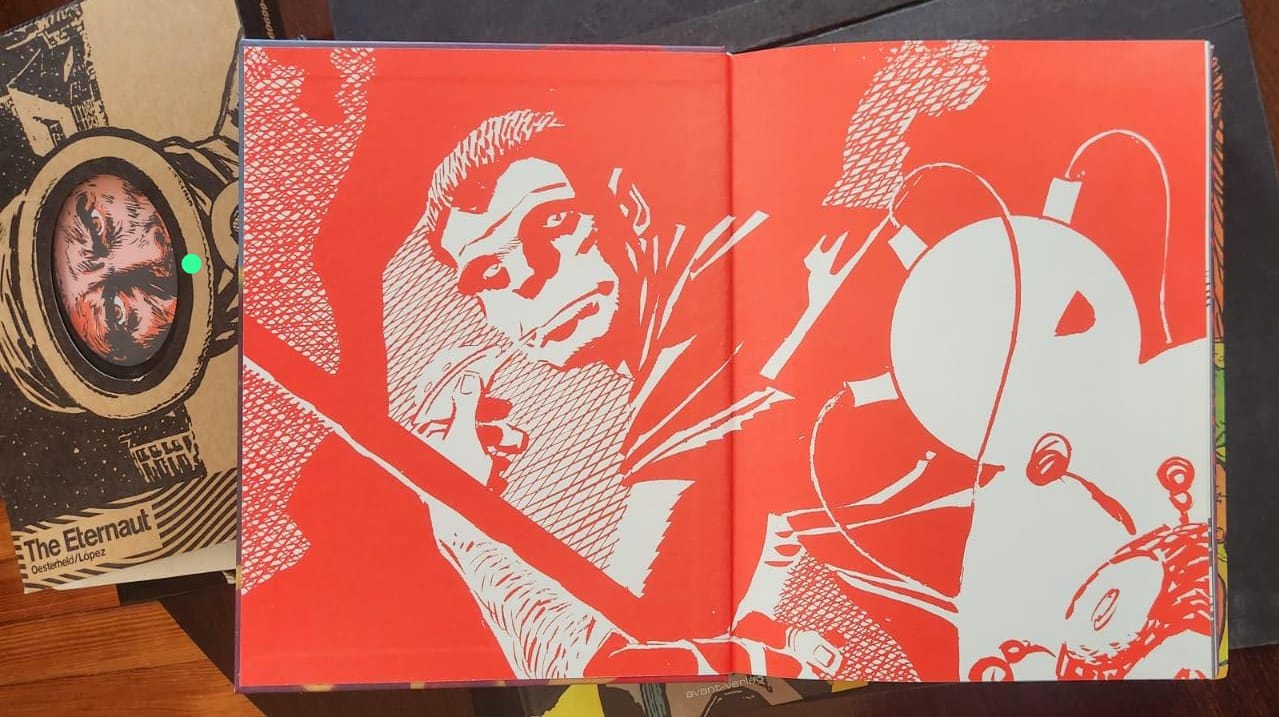
Innocent retiree Julio Luna moves into an old mansion in the suburbs of Buenos Aires, enigmatically abandoned. On the first night, a strange character named Sherlock Time saves Luna from being abducted by aliens prowling the mansion. Sherlock reveals to her that the mansion's tower is actually a cosmonaut from which he solves mysteries scattered throughout the universe. In each episode, the investigator shares with Luna the resolution of his cases, among homages to Conan Doyle, Argentinean costumbrismo and thrilling space-time fantasies.. It was published in episodes during 1958 and 1959, in the magazine Hora Cero Extra. For "Sherlock Time", Oesterheld encouraged Alberto Breccia to leave aside the classicism with which he had been working, which triggered the explosion of the style that would make the Uruguayan master famous, heavily influenced by German expressionism and Soviet cinema. In the 1970s, the comic strip was published in Europe and collected for the first time in book format by Ediciones Récord.
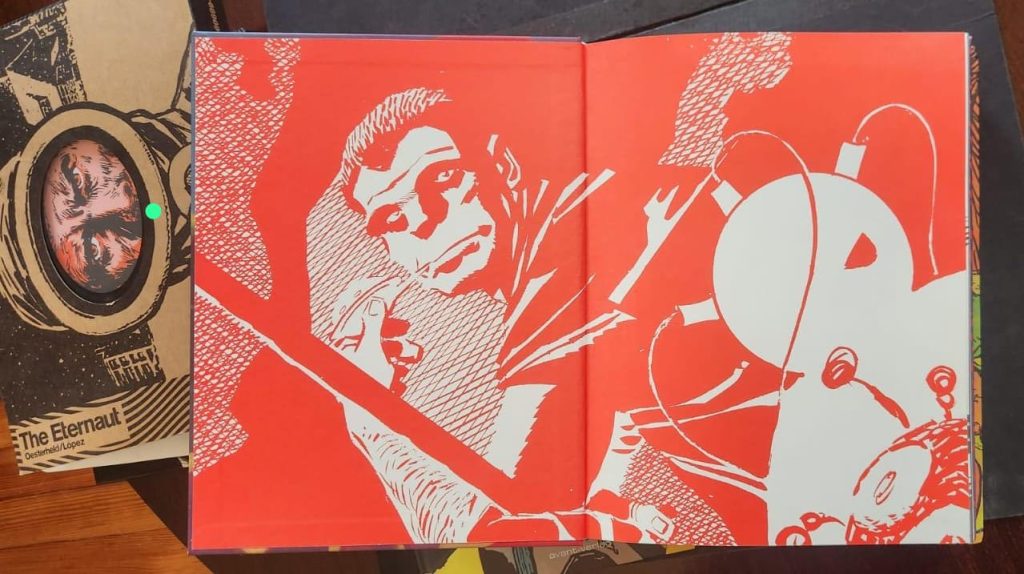
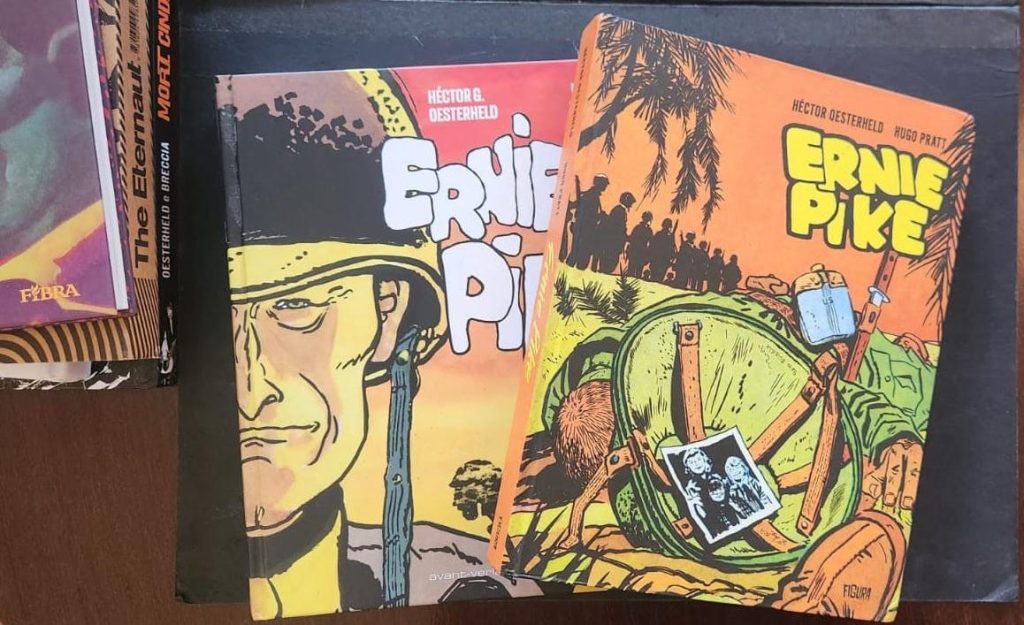
Una obra descomunal que pasa por todos los estadíos posible en el trayecto de ambos autores
Translations:
Los derechos de traducción han sido vendido a España, Argentina y Hungría.
Adaptations:
Rights available
Bio
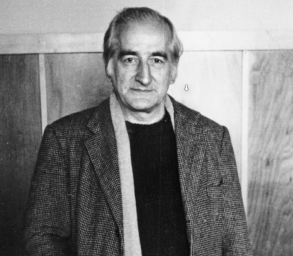
[H.G. Oesterheld]
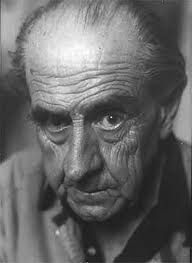
[Alberto Breccia]
-
Héctor Germán Oesterheld
[Script]
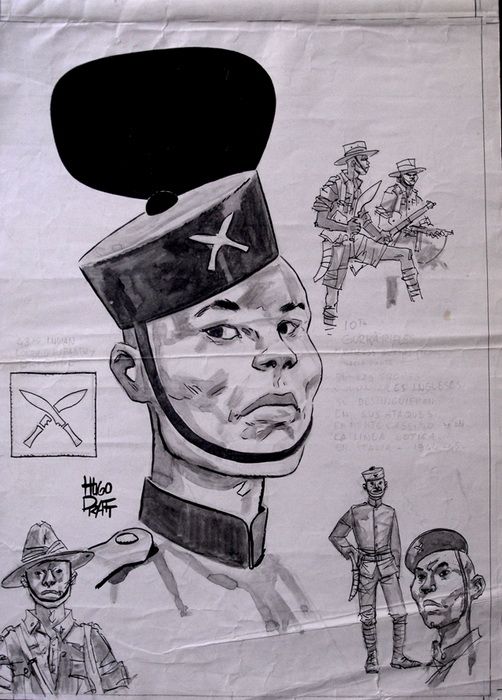
Héctor Germán Oesterheld was born in Buenos Aires on July 23, 1919. Unanimously considered the most iconic author of Argentine comics and a global reference of the genre, he created more than 60 works throughout his career. Before establishing himself as a comic book author, he was editor of science fiction literature in the magazine Más Allá, and later, in Géminis. He published in the magazines Misterix, Hora Cero and Frontera, among many others. His best known characters are Sergeant Kirk, Ernie Pike, Sherlock Time and Mort Cinder, but it is undoubtedly The Eternauta the creation that gives him a place among the masters of comics. Towards the end of the 70's, in parallel with his social and political commitment, his works became more and more committed and openly critical of the military regimes of the time. After the 1976 coup d'état, Oesterheld went underground, where he continued writing scripts, among them the sequel to El Eternauta. On April 27, 1977, he was kidnapped by the "task forces" and has been missing ever since. In Argentina, the Day of the Comic Strip is celebrated on September 4, in commemoration of the first edition of Hora Cero magazine, in 1957.
-
Alberto Breccia
[Drawings]
Born in Montevideo in 1919 and raised in Argentina since he was three years old, Breccia is known as "El Tripero", since his first job was in a slaughterhouse, skinning cows.
Naturally gifted for drawing, he began his career in the 40's, with a classicist stroke influenced by Milton Caniff. In the following decade, both Hugo Pratt and Oesterheld encouraged him to liberate his artistic identity, influenced by expressionism and the masters of German and Soviet cinema.
His collaboration with Oesterheld gave birth to masterpieces of the genre, such as Mort Cinder, Sherlock Time and the reversion of El Eternauta, as well as the biographies of Che Guevara and Eva Perón.
A great master of chiaroscuro, he adapted stories by his admired H.P. Lovecraft and Edgar Allan Poe, and worked with scriptwriters such as Guillermo Saccomano, Carlos Trillo and Juan Sasturain, with whom he created celebrated comics such as El aire, Un tal Daneri and Perramus, respectively.
Falleció en Buenos Aires, en 1993