


Life of Che
[1968]
H.G. Oesterheld
[SCRIPT]
Enrique Breccia
Alberto Breccia
[DRAWINGS]
The political effervescence of the late 1960s prompted Oesterheld to reunite with Alberto Breccia to narrate the last days of Ernesto "Che" Guevara, in a comic book in the style of a graphic novel, which ended up banned and its copies incinerated by the censors.
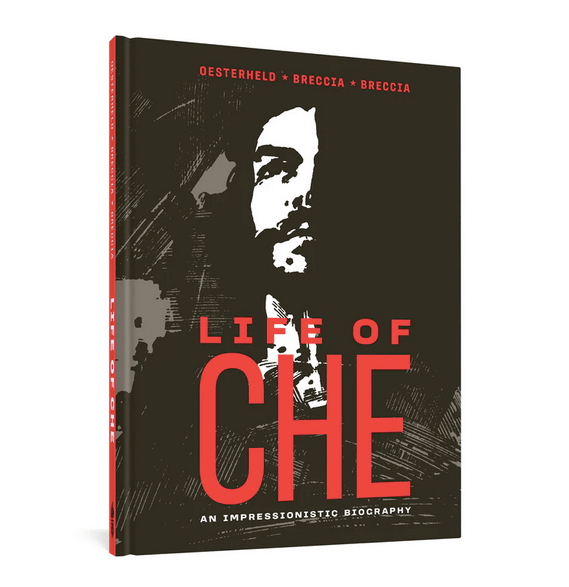
Although it offers some biographical evocations, Vida del Che focuses on reconstructing the experiences of Che Guevara during his guerrilla experience in Bolivia, which would lead to his execution by firing squad in the town of La Higuera, in October 1967. Barely a year after Che's assassination, the publisher Jorge Alvarez commissioned Oesterheld and Breccia to write this comic book, which was immediately seized and burned by the censors of the military regime of the so-called "Argentine Revolution" (1966-1973). The illustrations of Vida del Che were made by Alberto Breccia and his son Enrique, who would become one of the fundamental authors of Argentine comics of the following generation. Enrique was the one who kept the originals of Vida del Che, which gave rise to many successful reprints of the work, after the end of the last Argentine military dictatorship in 1983.
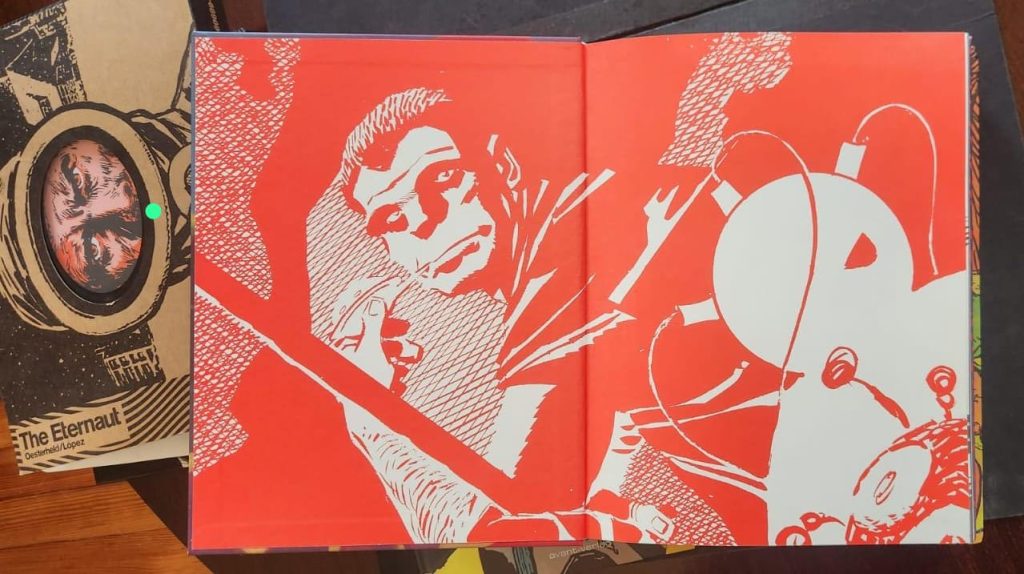
A graphic biography of Che Guevara conceived more than 50 years ago that still feels fresh.
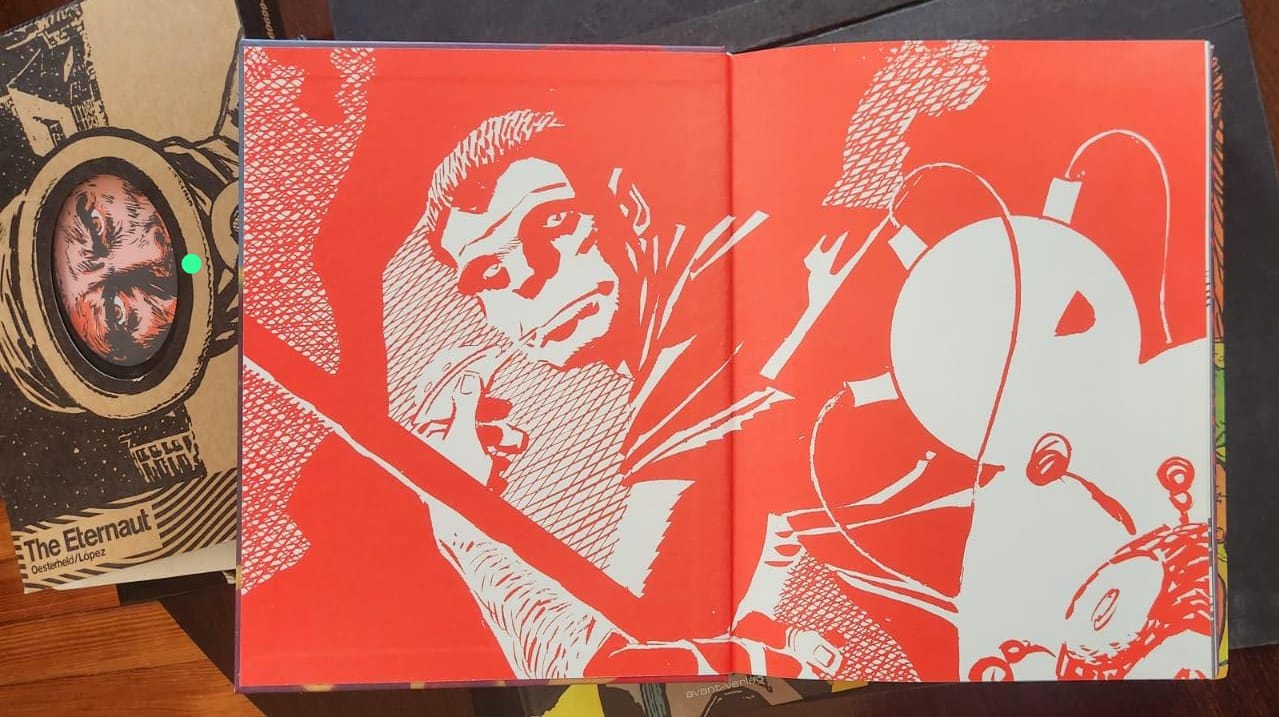
Breccia's intense chiaroscuro and use of collage create a visceral, stark environment that amplifies Guevara's exploits, with occasional, effective splashes of blood.
Translations:
Ha sido traducida en España, Francia , Italia y Hungría.
Adaptations:
Rights available
Bio
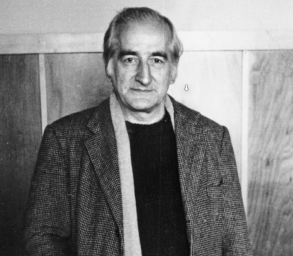
[H.G. Oesterheld]
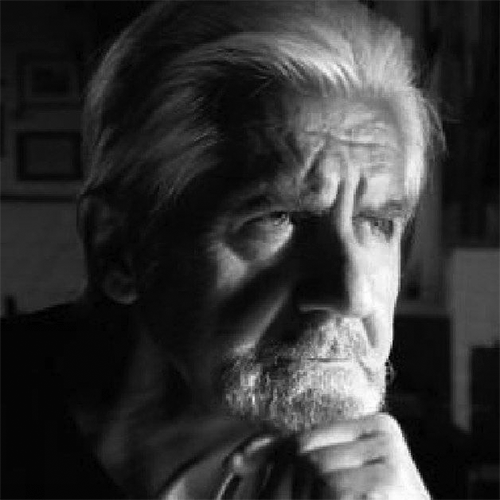
[Enrique Breccia]
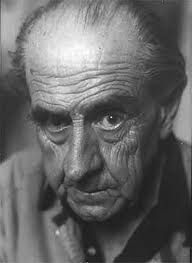
[Alberto Breccia]
-
Héctor Germán Oesterheld
[Script]
Héctor Germán Oesterheld was born in Buenos Aires on July 23, 1919. Unanimously considered the most iconic author of Argentine comics and a global reference of the genre, he created more than 60 works throughout his career. Before establishing himself as a comic book author, he was editor of science fiction literature in the magazine Más Allá, and later, in Géminis. He published in the magazines Misterix, Hora Cero and Frontera, among many others. His best known characters are Sergeant Kirk, Ernie Pike, Sherlock Time and Mort Cinder, but it is undoubtedly The Eternauta the creation that gives him a place among the masters of comics. Towards the end of the 70's, in parallel with his social and political commitment, his works became more and more committed and openly critical of the military regimes of the time. After the 1976 coup d'état, Oesterheld went underground, where he continued writing scripts, among them the sequel to El Eternauta. On April 27, 1977, he was kidnapped by the "task forces" and has been missing ever since. In Argentina, the Day of the Comic Strip is celebrated on September 4, in commemoration of the first edition of Hora Cero magazine, in 1957.
-
Enrique Breccia, Alberto Breccia
[Drawings]
He was born in Buenos Aires in 1945. Son of the master Alberto Breccia, he is a renowned illustrator, painter and cartoonist. He collaborated with his father in Mort Cinder and the reversion of El Eternauta, and his first professional experience was with the biography Vida del Che, all scripted by Héctor G. Oesterheld. During the 1970s, he collaborated with the British publishing house Fleetway and with numerous European publishing houses and Argentinean publications, together with scriptwriters such as Carlos Trillo, Guillermo Saccomano and Ricardo Barreiro.
A referent of the generation that between the 80's and 90's gathered around the magazines Humor, Super Humor and Fierro, he is an integral author of iconic works such as El Sueñero and El cazador del tiempo. In the 21st century he became a regular collaborator of American publishers such as Marvel, DC and Vertigo Comics.
Born in Montevideo in 1919 and raised in Argentina since he was three years old, Breccia is known as "El Tripero", since his first job was in a slaughterhouse, skinning cows.
Naturally gifted for drawing, he began his career in the 40's, with a classicist stroke influenced by Milton Caniff. In the following decade, both Hugo Pratt and Oesterheld encouraged him to liberate his artistic identity, influenced by expressionism and the masters of German and Soviet cinema.
His collaboration with Oesterheld gave birth to masterpieces of the genre, such as Mort Cinder, Sherlock Time and the reversion of El Eternauta, as well as the biographies of Che Guevara and Eva Perón.
A great master of chiaroscuro, he adapted stories by his admired H.P. Lovecraft and Edgar Allan Poe, and worked with scriptwriters such as Guillermo Saccomano, Carlos Trillo and Juan Sasturain, with whom he created celebrated comics such as El aire, Un tal Daneri and Perramus, respectively.
Falleció en Buenos Aires, en 1993