


Evita
[1970]
H.G. Oesterheld
[SCRIPT]
Enrique Breccia
Alberto Breccia
[DRAWINGS]
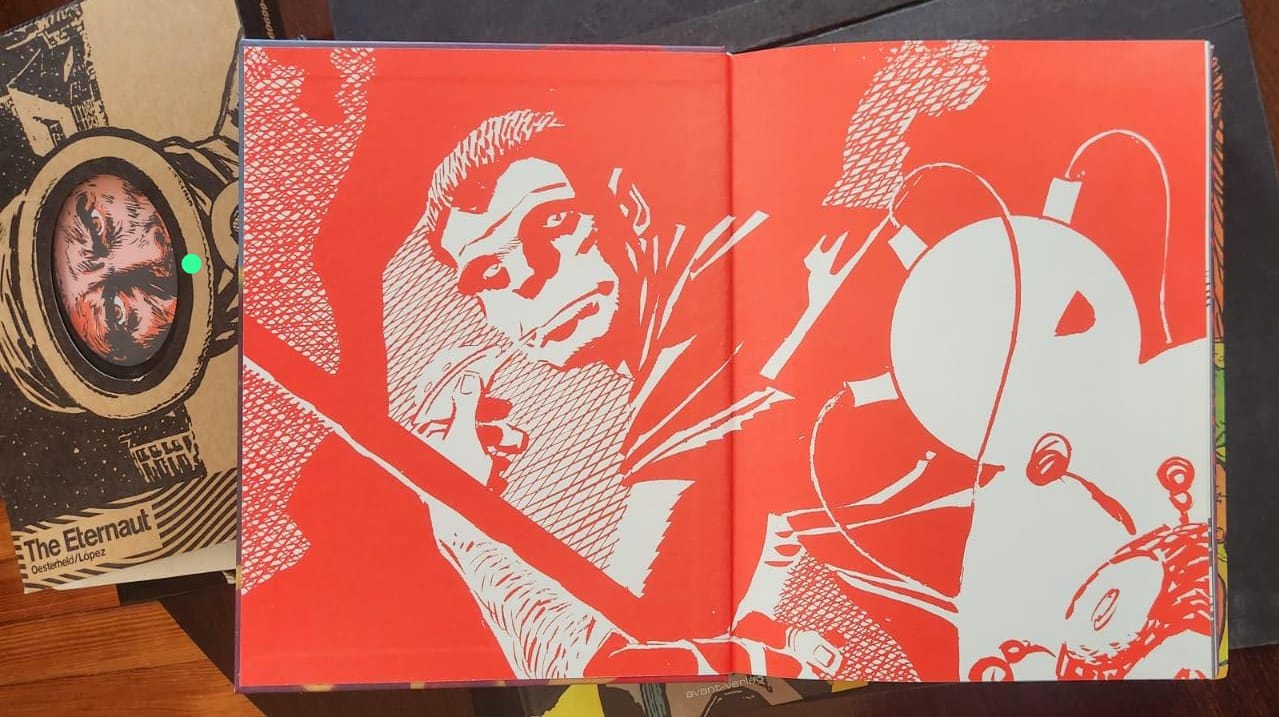
After the impact of their graphic novel about Che Guevara, the Oesterheld-Breccia duo tackled this biographical portrait of the mythical Eva Duarte de Perón, which could not be published at the time due to the censorship of the Argentine military regimes.
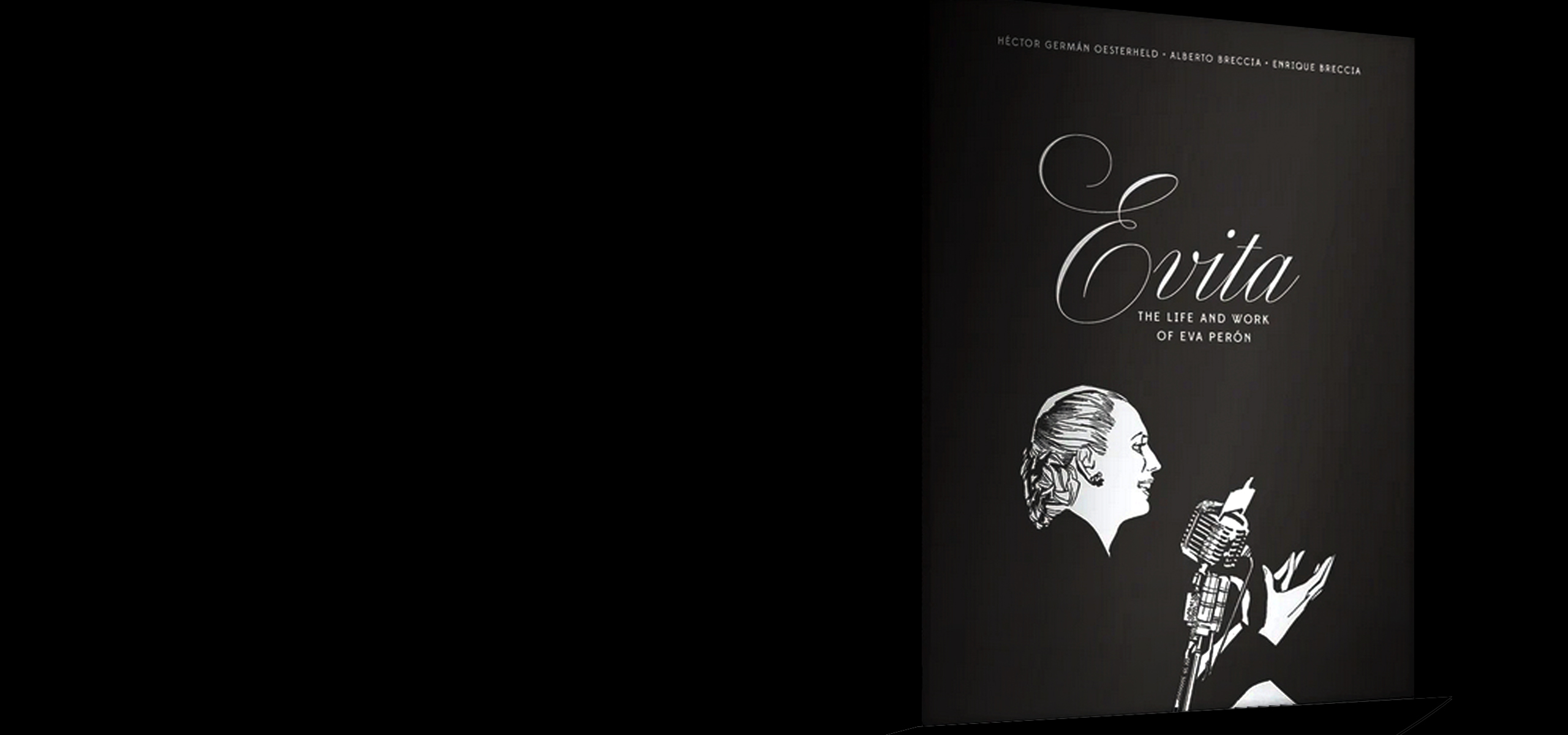
This comic strip about the life of Eva Perón was produced in the late 1960s, but it would only reach the readers' hands four decades later, as a result of the inclemencies of Argentine politics in the last quarter of the 20th century. Far from the classic canons of the genre -more pictorial than narrative-, it reconstructs Evita's life from her childhood to her enthronement as "Standard Bearer of the humble" and concludes with her body's journey after her death and the overthrow of Juan D. Perón. Only in 2002, when Héctor G. Oesterheld and Alberto Breccia had already passed away, Argentine publisher Javier Doeyo found the originals of Evita in Breccia's house and decided to publish them. Since then, the work has been successfully published in many countries around the world.
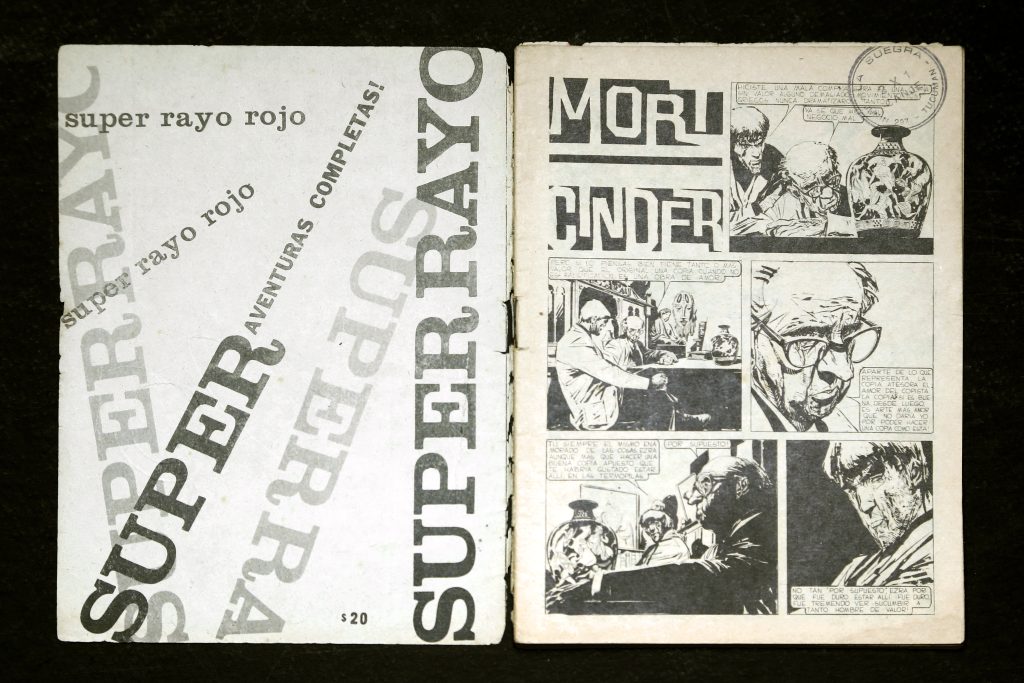
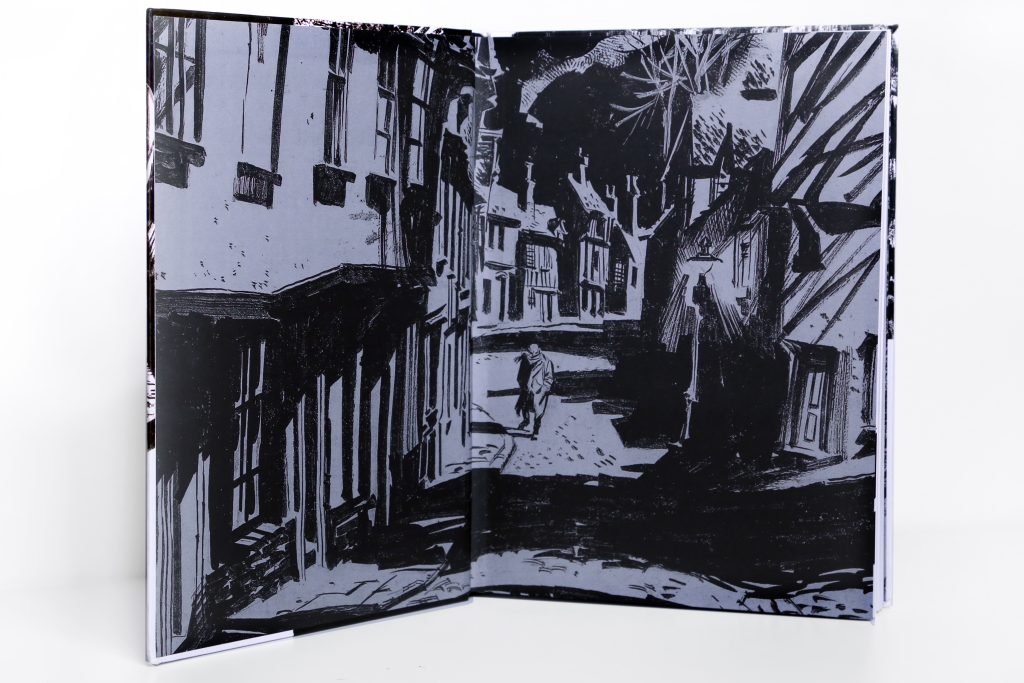
The stark black and white is crisp, with powerful expressionistic touches. It is both a time capsule and a moving ode to Evita's humanist efforts.
Translations:
Ha recorrido todo Estados Unidos y se ha publicado en Argentina
Adaptations:
Rights available
Bio
[H.G. Oesterheld]
[Enrique Breccia]
[Alberto Breccia]
-
Héctor Germán Oesterheld
[Script]
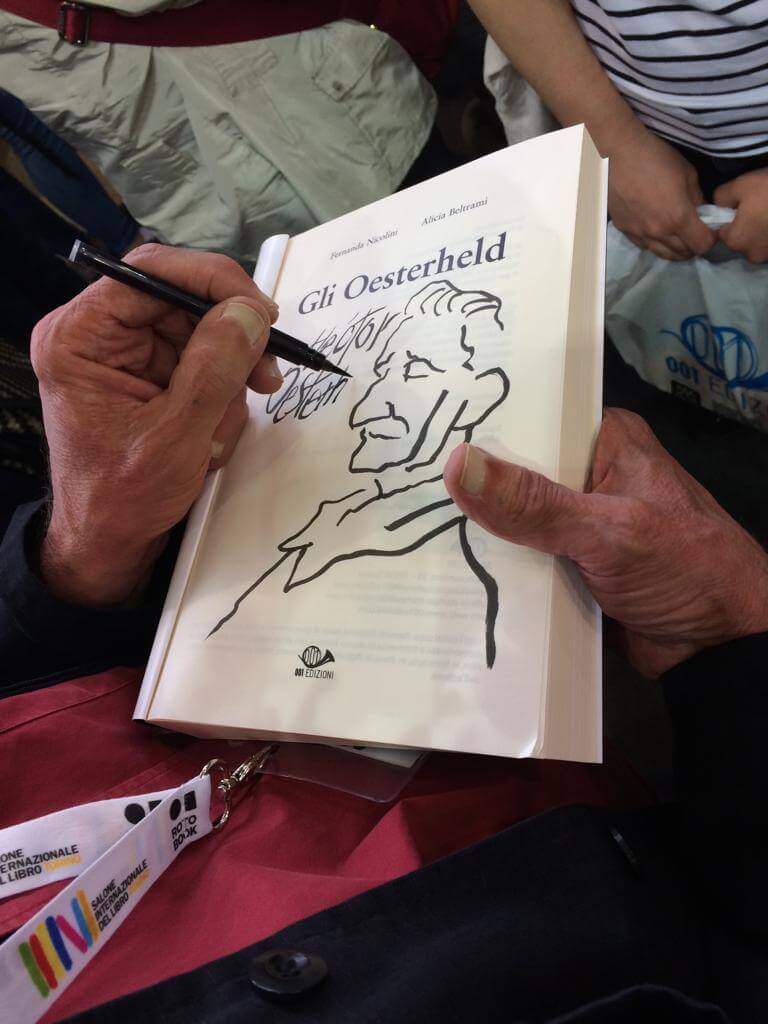
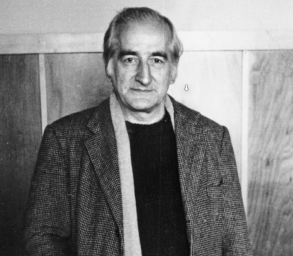
Héctor Germán Oesterheld was born in Buenos Aires on July 23, 1919. Unanimously considered the most iconic author of Argentine comics and a global reference of the genre, he created more than 60 works throughout his career. Before establishing himself as a comic book author, he was editor of science fiction literature in the magazine Más Allá, and later, in Géminis. He published in the magazines Misterix, Hora Cero and Frontera, among many others. His best known characters are Sergeant Kirk, Ernie Pike, Sherlock Time and Mort Cinder, but it is undoubtedly The Eternauta the creation that gives him a place among the masters of comics. Towards the end of the 70's, in parallel with his social and political commitment, his works became more and more committed and openly critical of the military regimes of the time. After the 1976 coup d'état, Oesterheld went underground, where he continued writing scripts, among them the sequel to El Eternauta. On April 27, 1977, he was kidnapped by the "task forces" and has been missing ever since. In Argentina, the Day of the Comic Strip is celebrated on September 4, in commemoration of the first edition of Hora Cero magazine, in 1957.
-
Enrique Breccia, Alberto Breccia
[Drawings]
Aca ponemos la bio de ambos dibujantes